"It was amazing, I’d recommend this tour to everyone especially if you are a car enthusiast. It was so much fun getting to see everything and Michael was a great host, 10/10"
Daikoku PA · Yokohama · Bayshore Route · After Dark
Tokyo Car Meet Tour
A Tokyo car meet is not an event. Nobody organises it, nobody sells tickets, and there is no address you can walk to — Daikoku PA sits inside the expressway system with no station, no bus and no legal footpath. This is what actually happens there, why the lot gets closed, and the ride that gets you in and back out.
Top rated
From
$107
per person
Free cancellation
- 4.8 / 5 696+ Reviews
- No Walk-In Expressway Access Only
- Fri & Sat The Nights It Fills Up
- Free Cancellation
The Experience
What the Daikoku Car Meet Tour Includes
Lifted from the operator's own listing — the Shibuya meeting point, the APIT Autobacs stop, the Rainbow Bridge run and an hour in the lot itself.
Highlights
- Discover Tokyo’s legendary Daikoku JDM car culture with local enthusiasts
- Enjoy iconic routes and unforgettable city views, especially at night
- Visit famous car-meet spots, including Daikoku Parking Area when open
- Ride comfortably in well-maintained vehicles suited to your group
- Experience Japan’s car scene in a safe, respectful, and professionally guided setting
What's Included
- Spectacular views of Tokyo
- All fees and taxes
- Access to legendary underground meet locations
- A passionate host ready to introduce you to the Japan Car Scene and Japan overall
How a Daikoku Car Meet Night Actually Runs
Meet in Shibuya, an expressway run east, a parts-shop stop, then the lot — and a guide who already knows where the crowd goes if the ramp is shut.
Meet in Shibuya, Not at Your Hotel
The featured tour forms up in Shibuya, by the Royal Host restaurant on Dogenzaka near Shibuya 109, and the operator confirms the exact spot and the vehicle by message on the day. There is no hotel pickup on this one — its own listing excludes it. If a door-to-door start matters more to you than the guide, the hotel-pickup products in the comparison below are the ones to read.
Out Along the Bayshore, With a Parts-Shop Stop
The published itinerary runs Roppongi Hills and the Rainbow Bridge, then 25 minutes at APIT Autobacs Shinonome — Tokyo's largest car-supply shop, and a car meet in its own right on a good night. Then Tatsumi 1st PA for 15 minutes before the run east. Guests consistently report they wanted longer at Autobacs than the schedule allows.
One Hour Inside the Lot
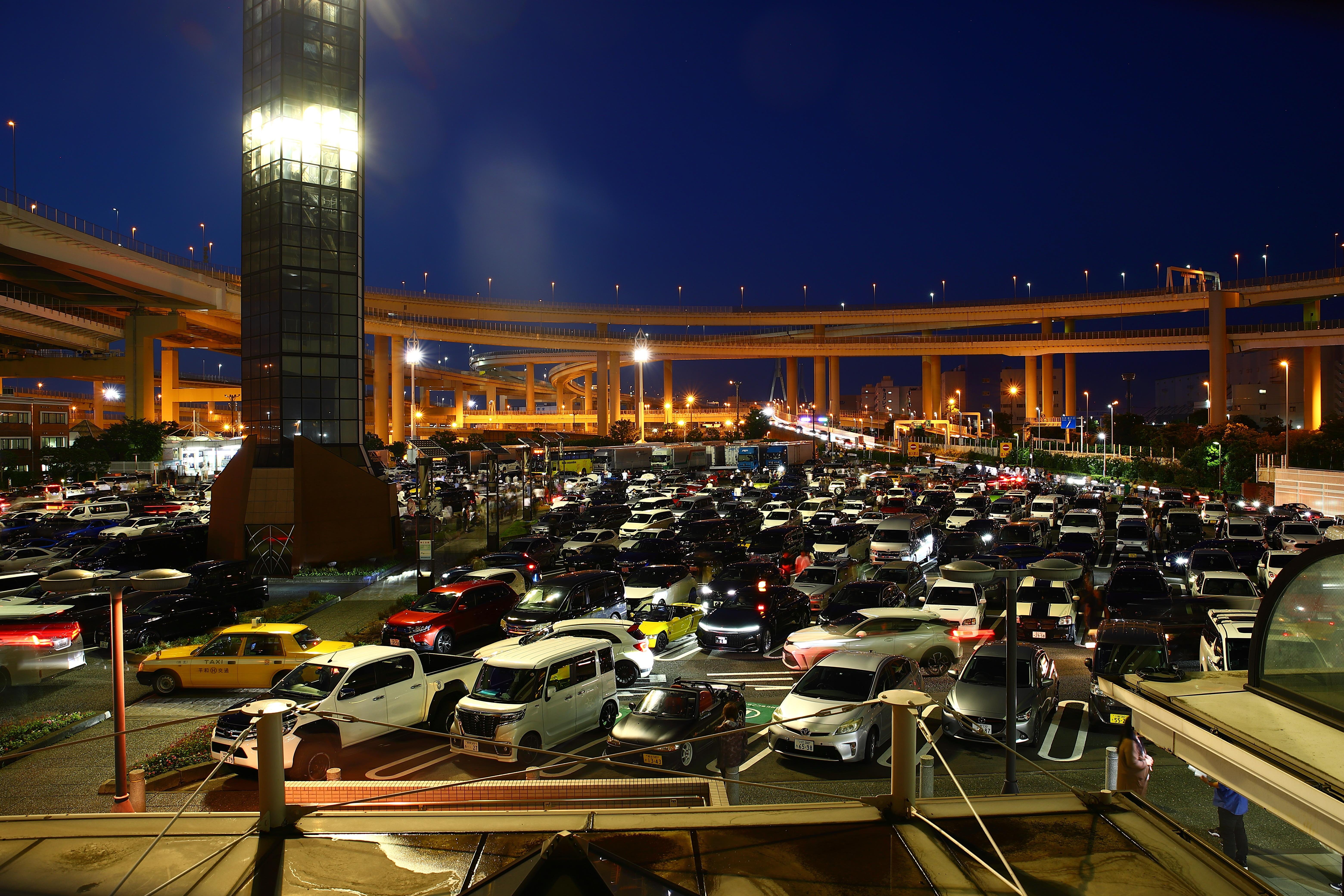
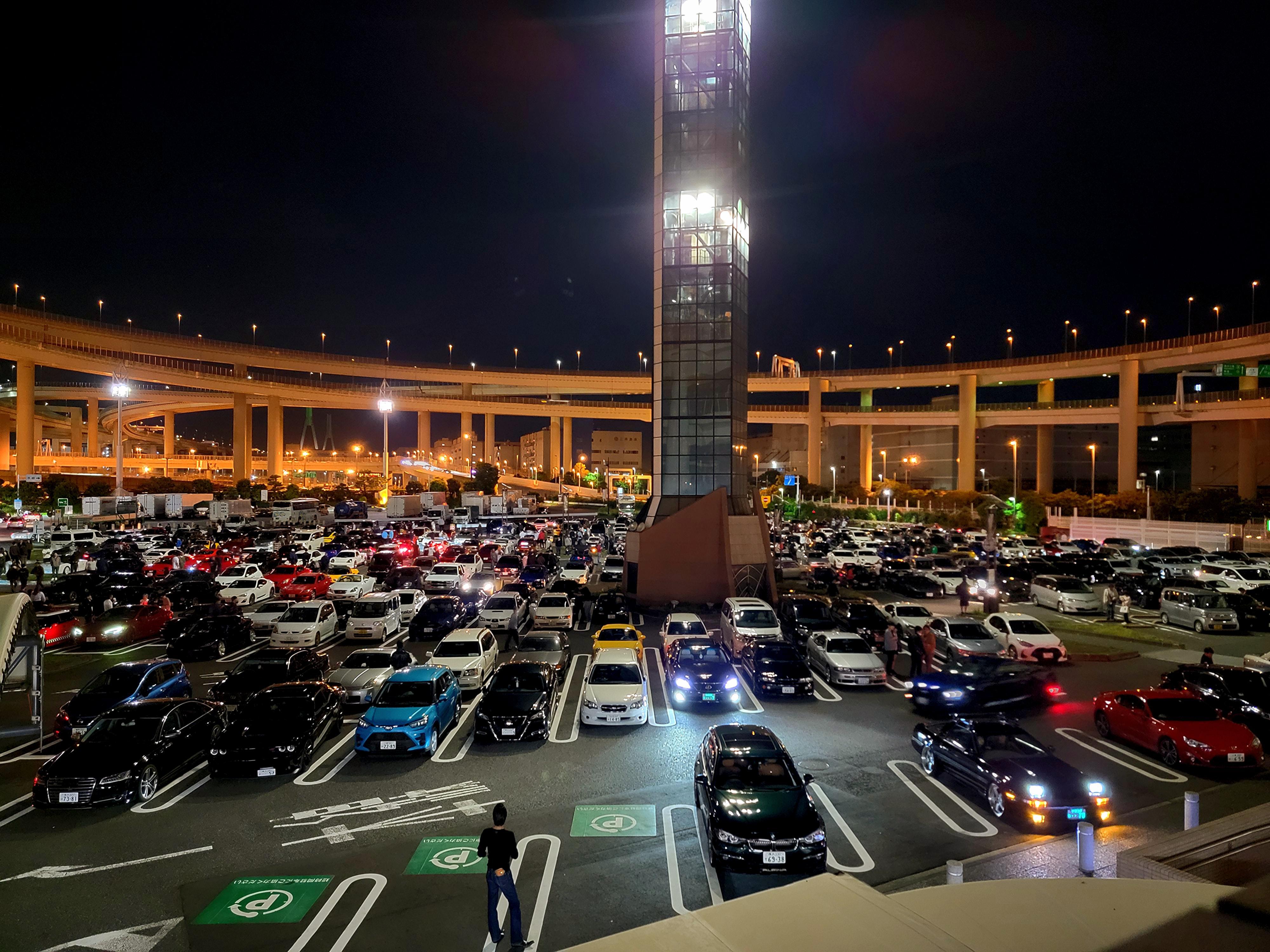
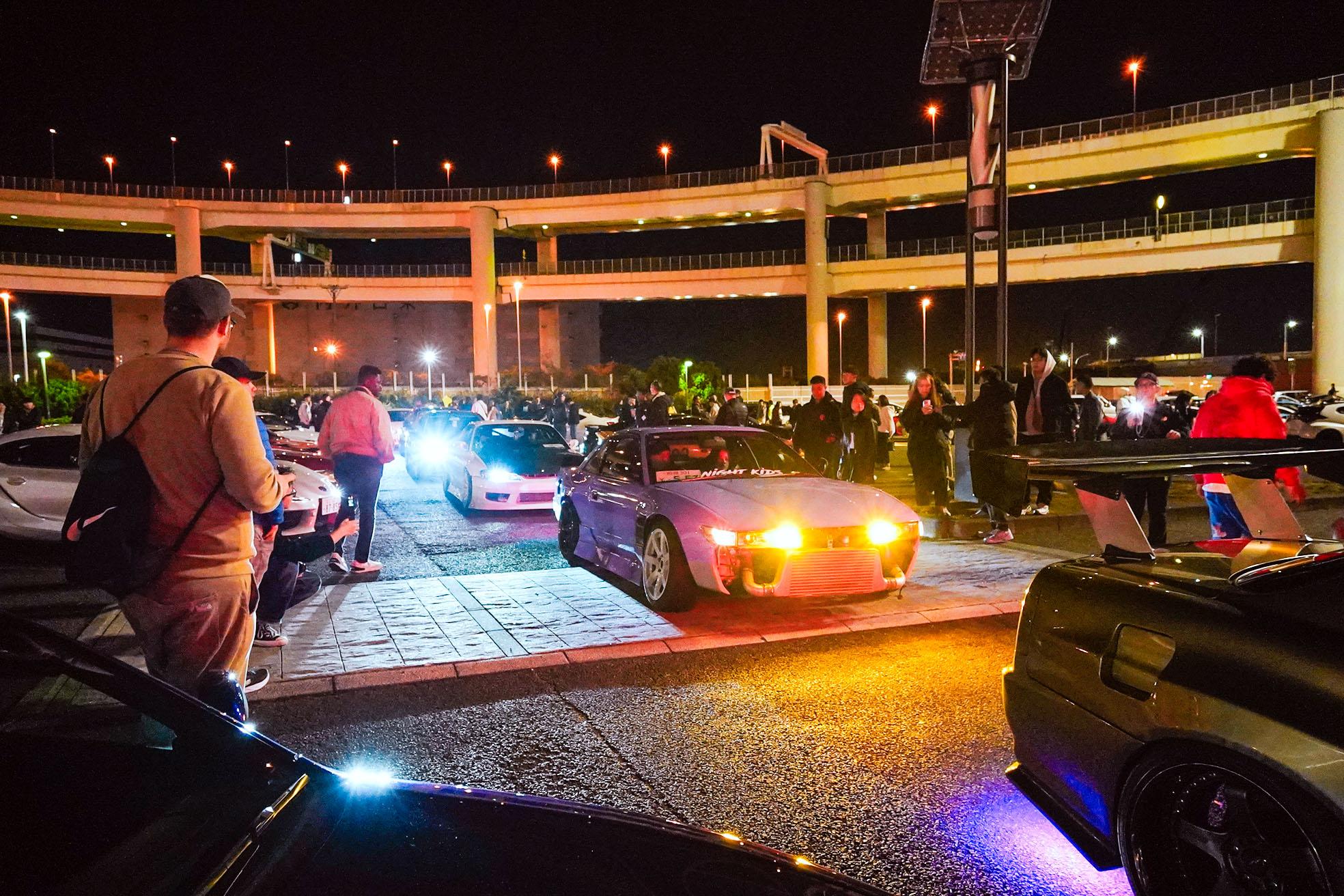
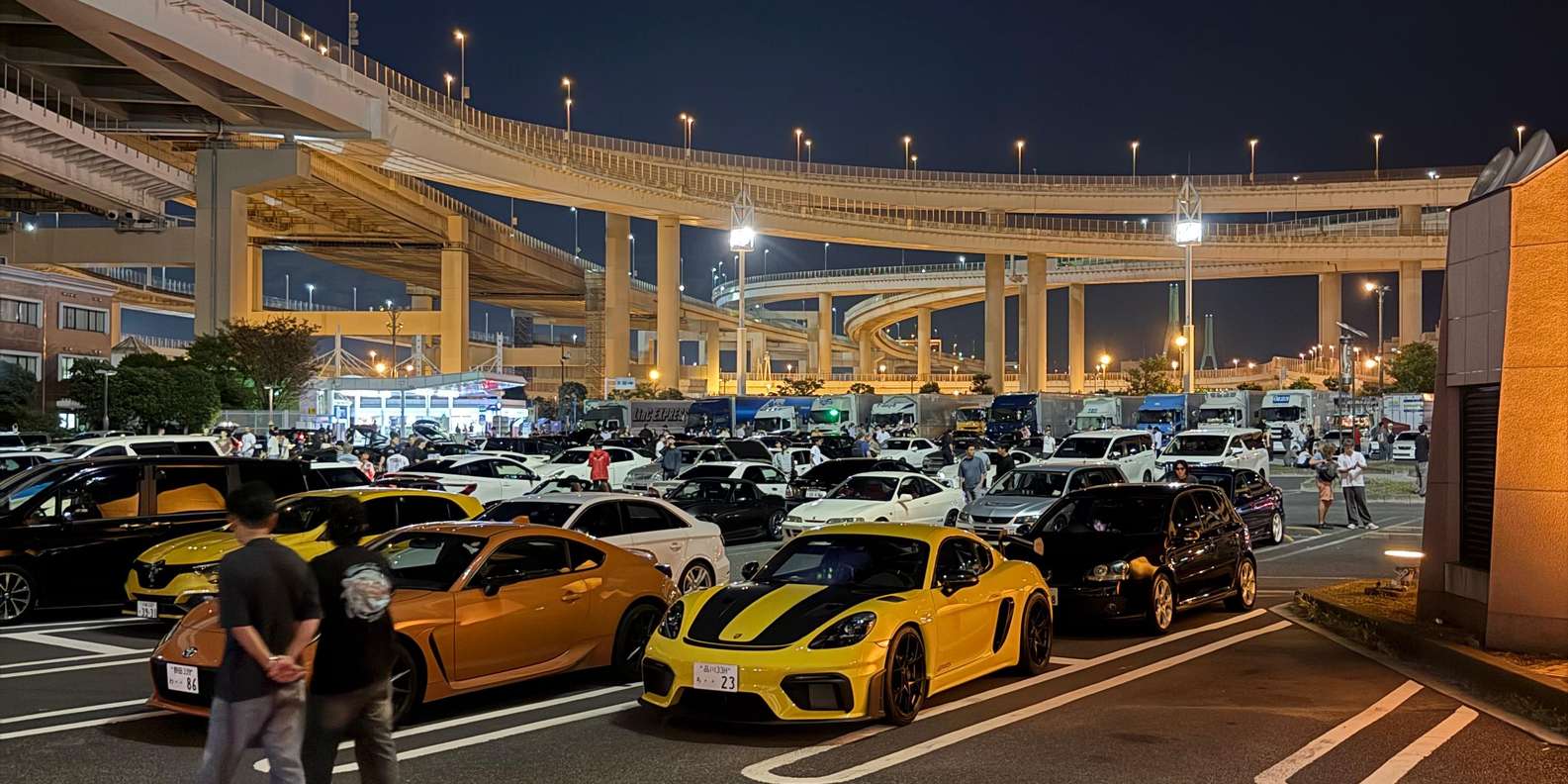
Daikoku PA is a working expressway rest area with 404 marked spaces, a 24-hour Lawson, toilets and a restaurant — and on Friday and Saturday nights it becomes the largest informal car gathering in Japan. You get about an hour. That is enough to walk the whole lot twice and talk to owners; it is not enough to wait out a slow start.
Back Over the Bridge — the Part You Cannot Arrange Yourself
The return runs about 45 minutes past Yokohama, the Rainbow Bridge and Tokyo Tower to the same Shibuya start. This leg is the actual product. There is no pedestrian exit from Daikoku PA, no taxi rank and no bus, so a ride in without a ride out is not a plan — it is the situation that put the site in the news.
Photo Gallery
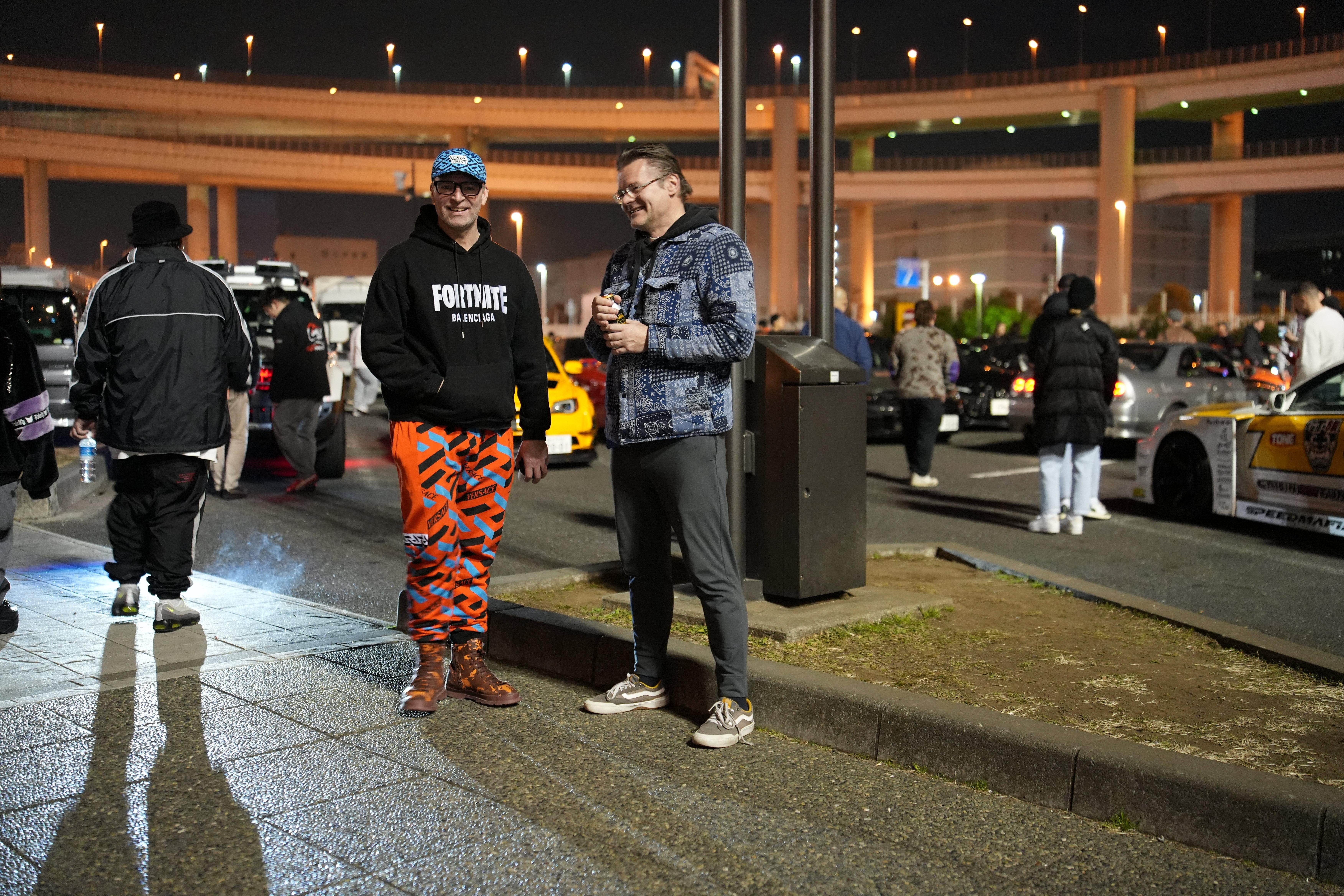
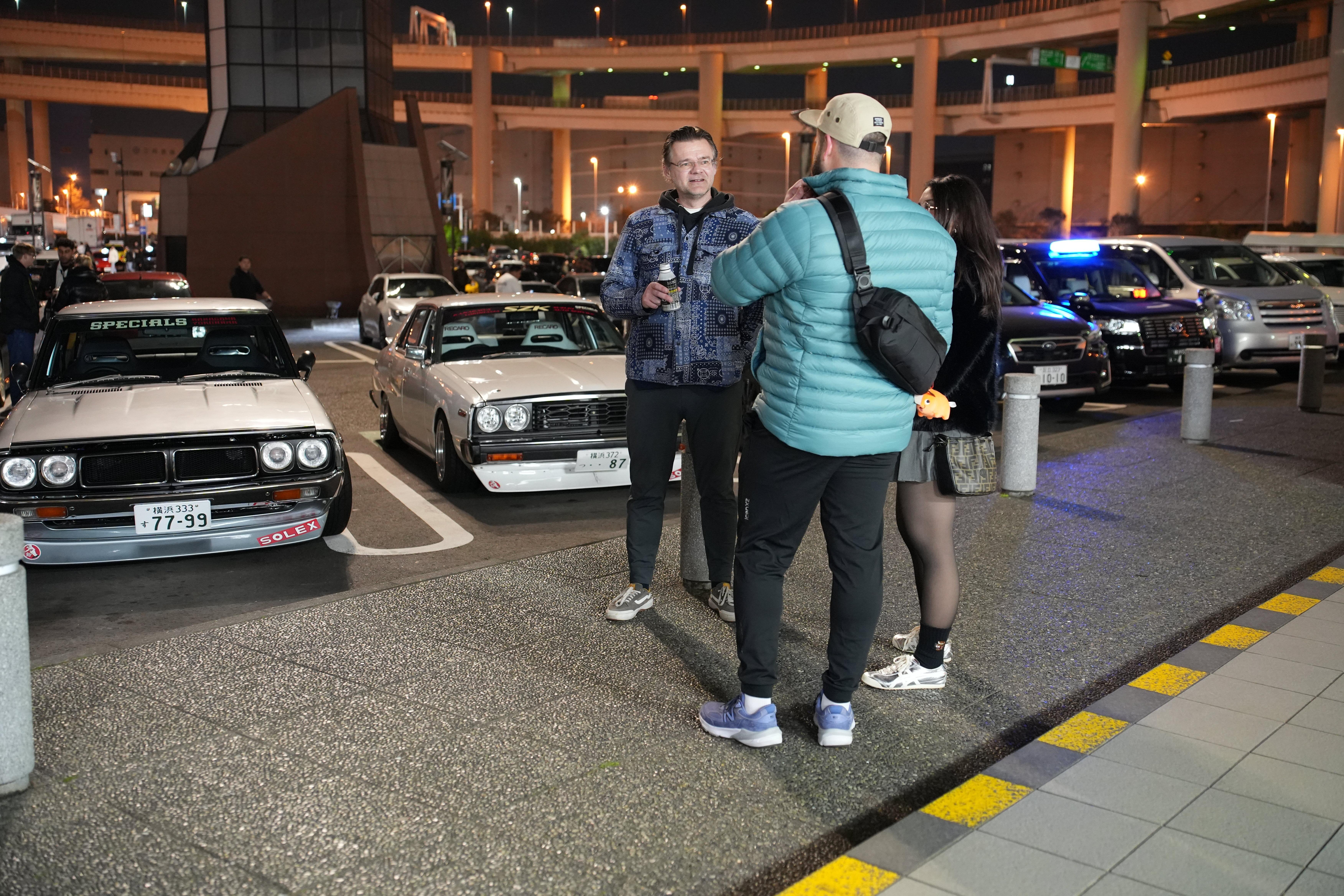
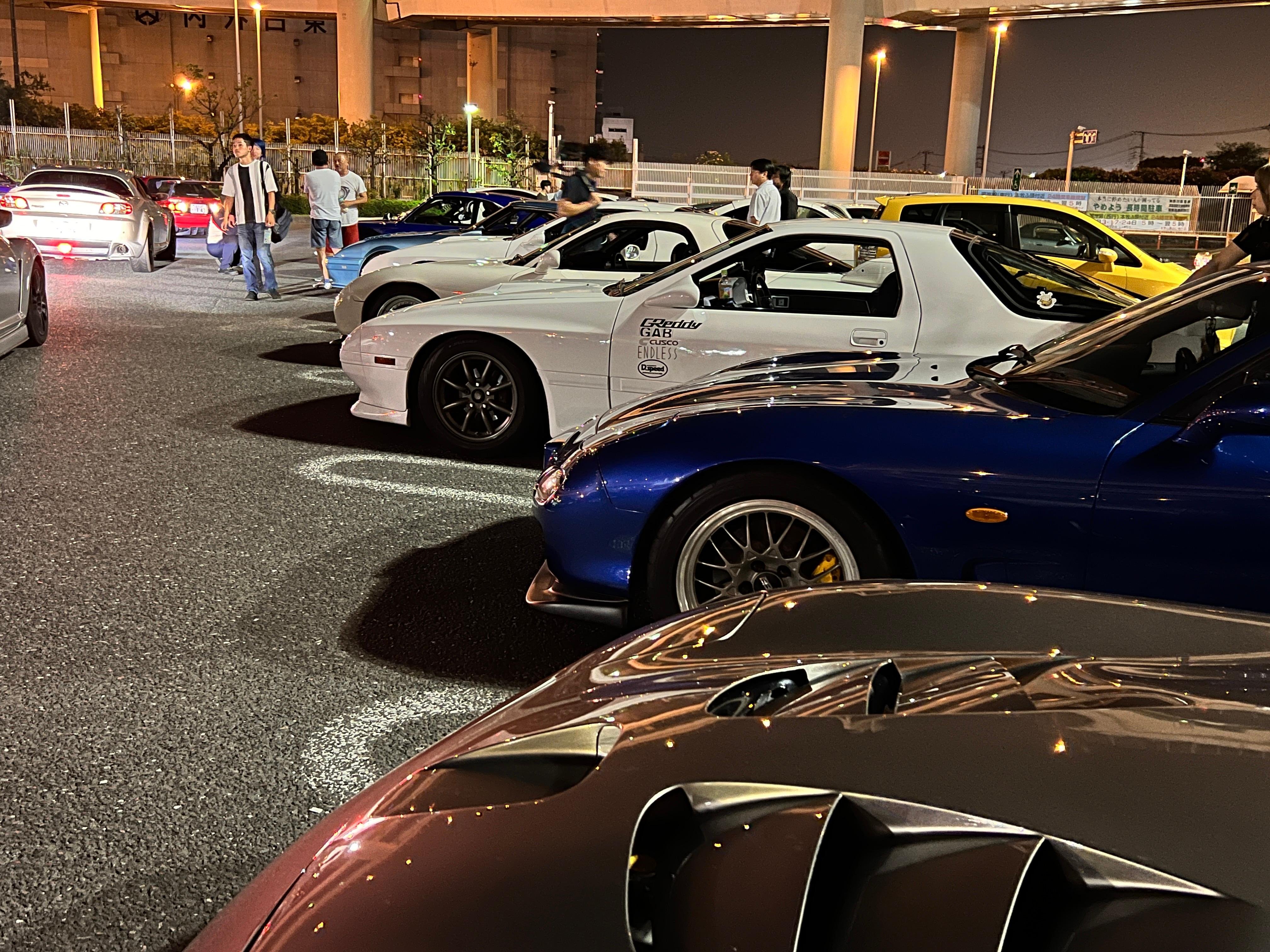
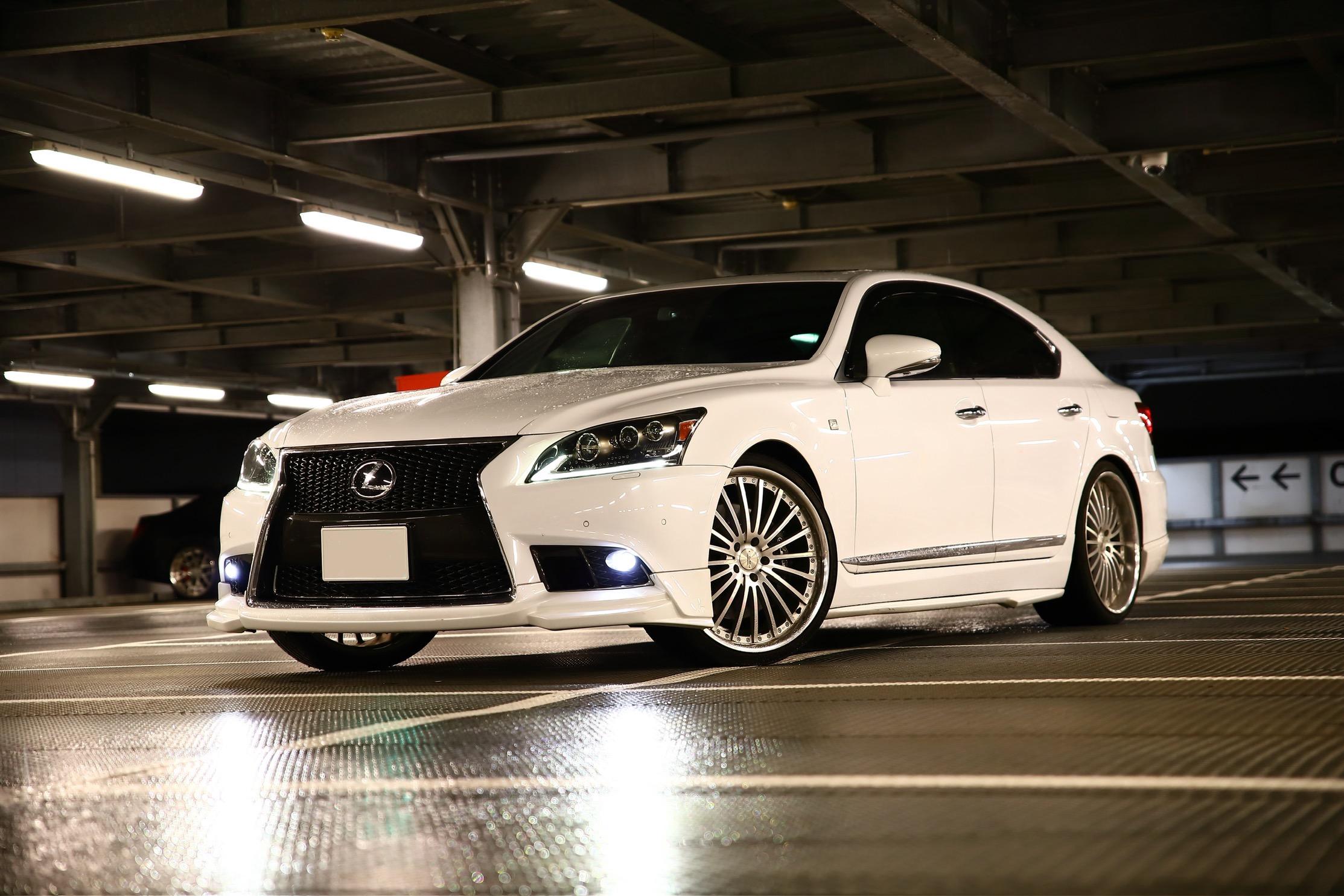
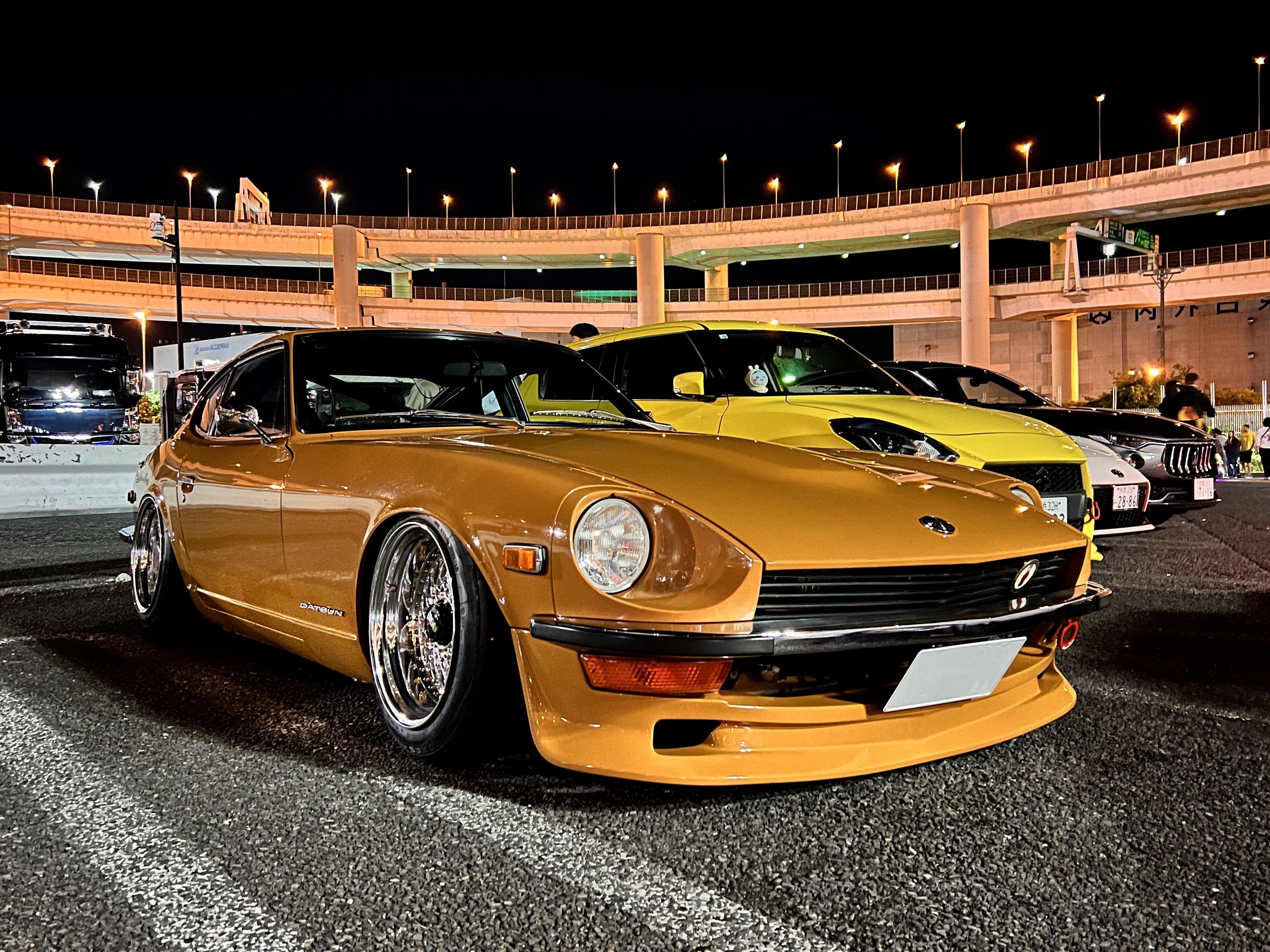
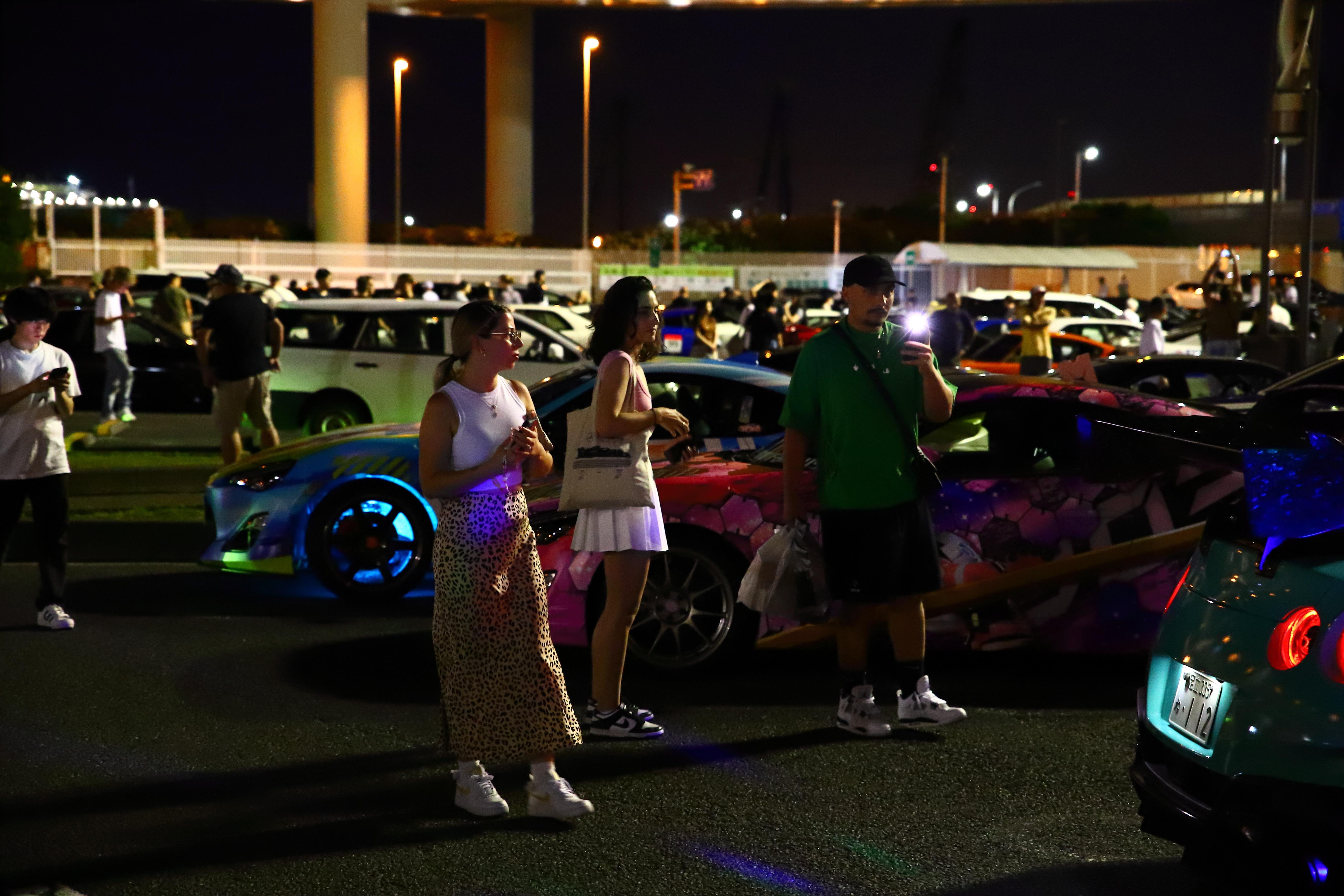
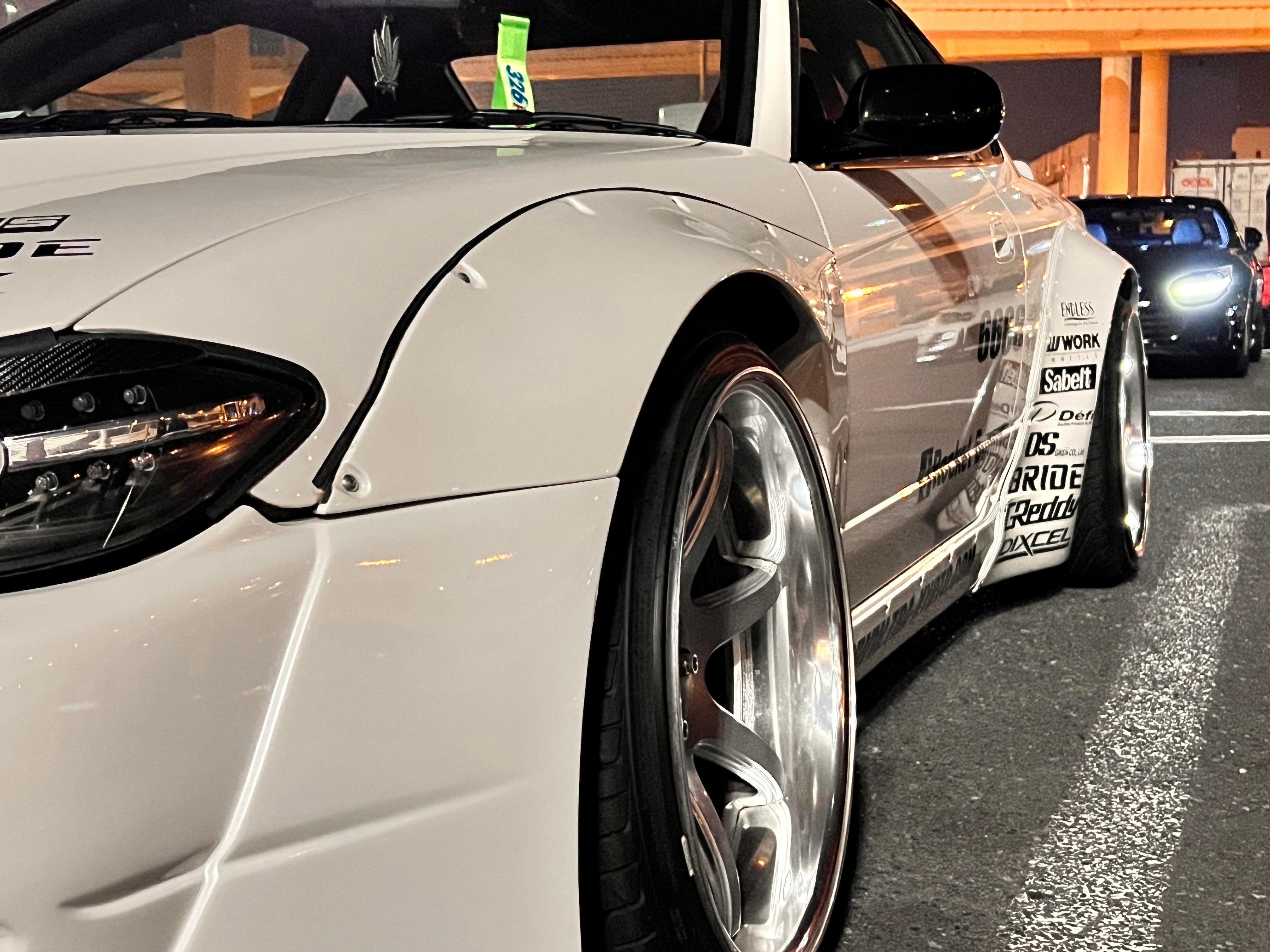
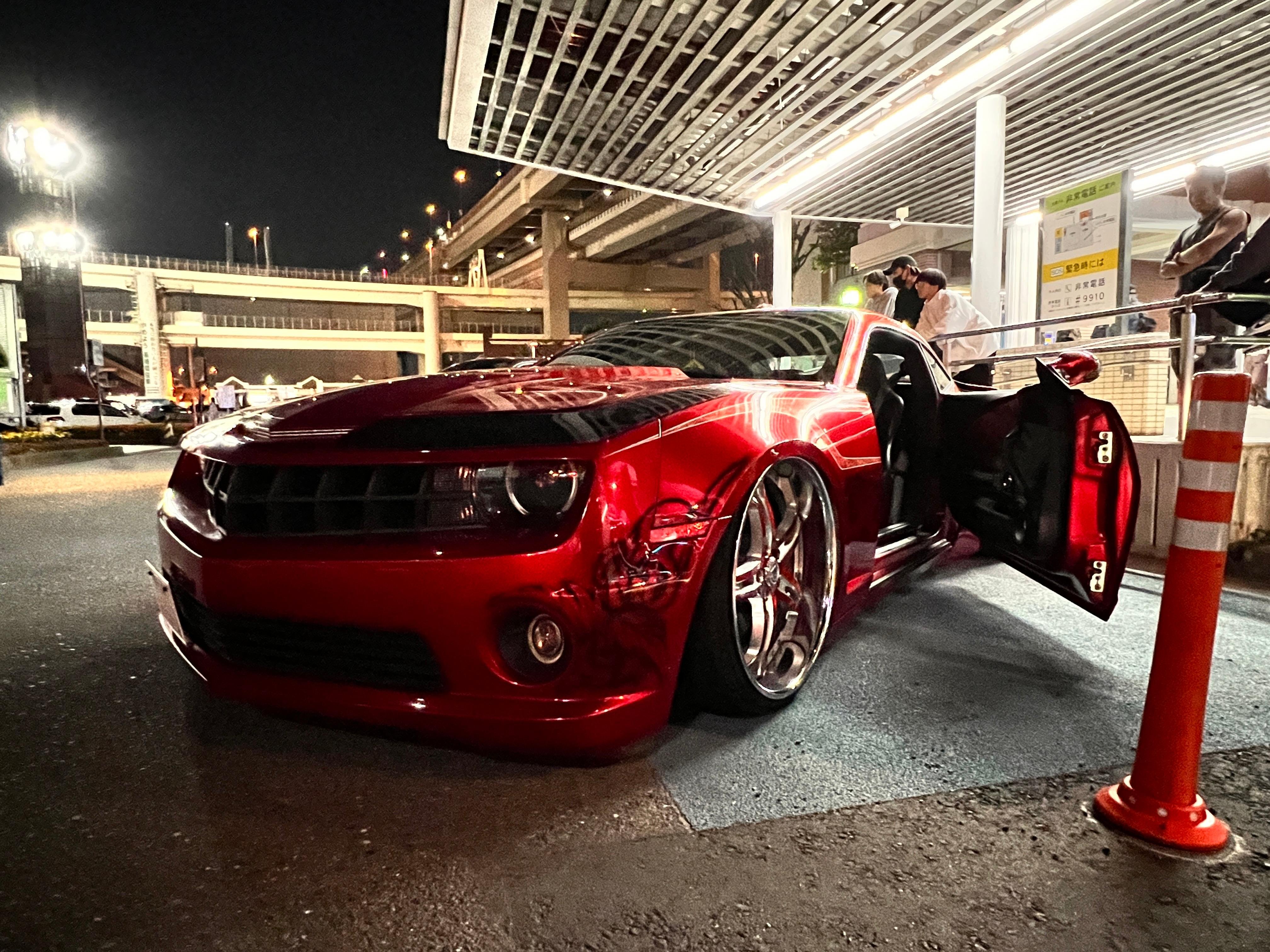
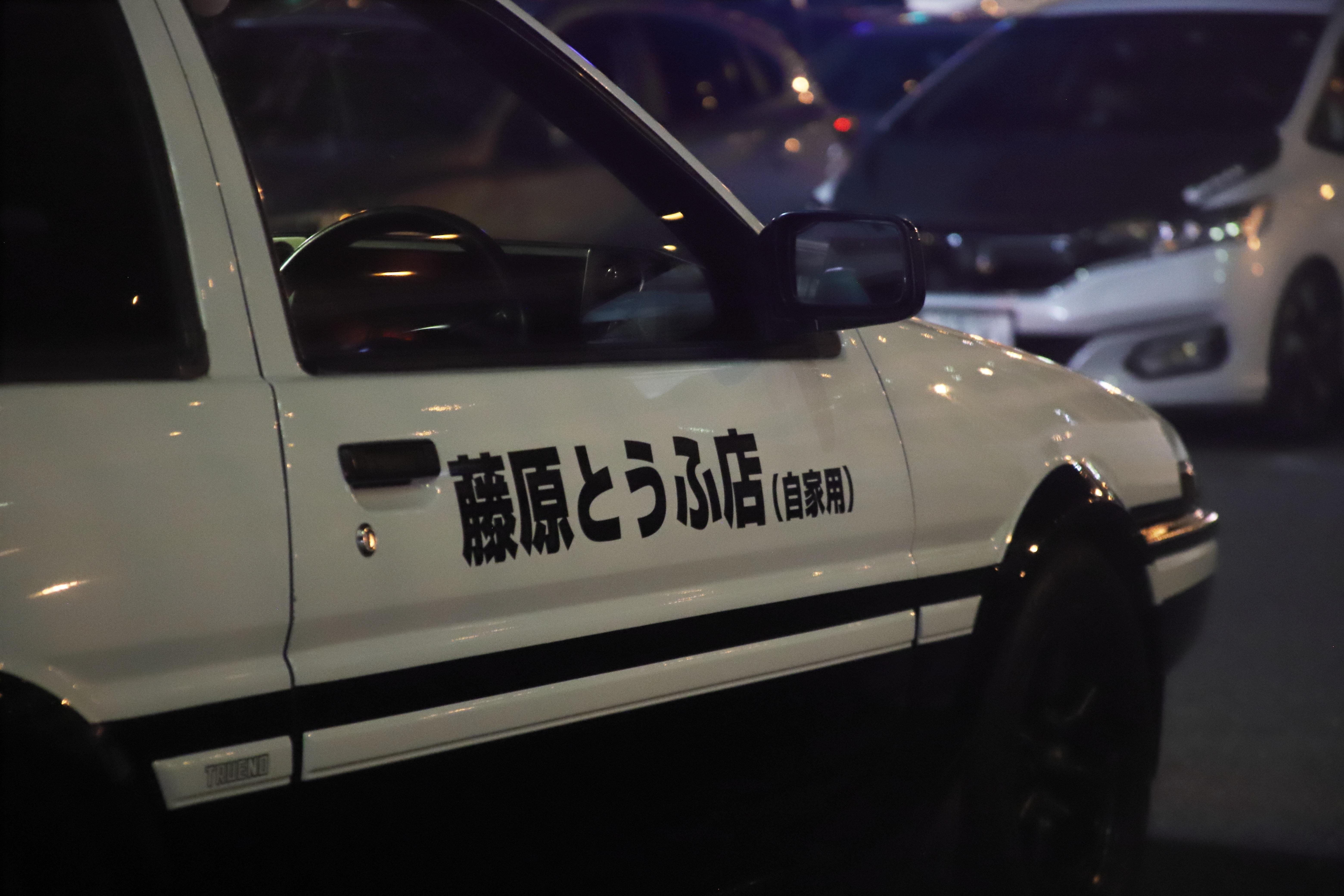
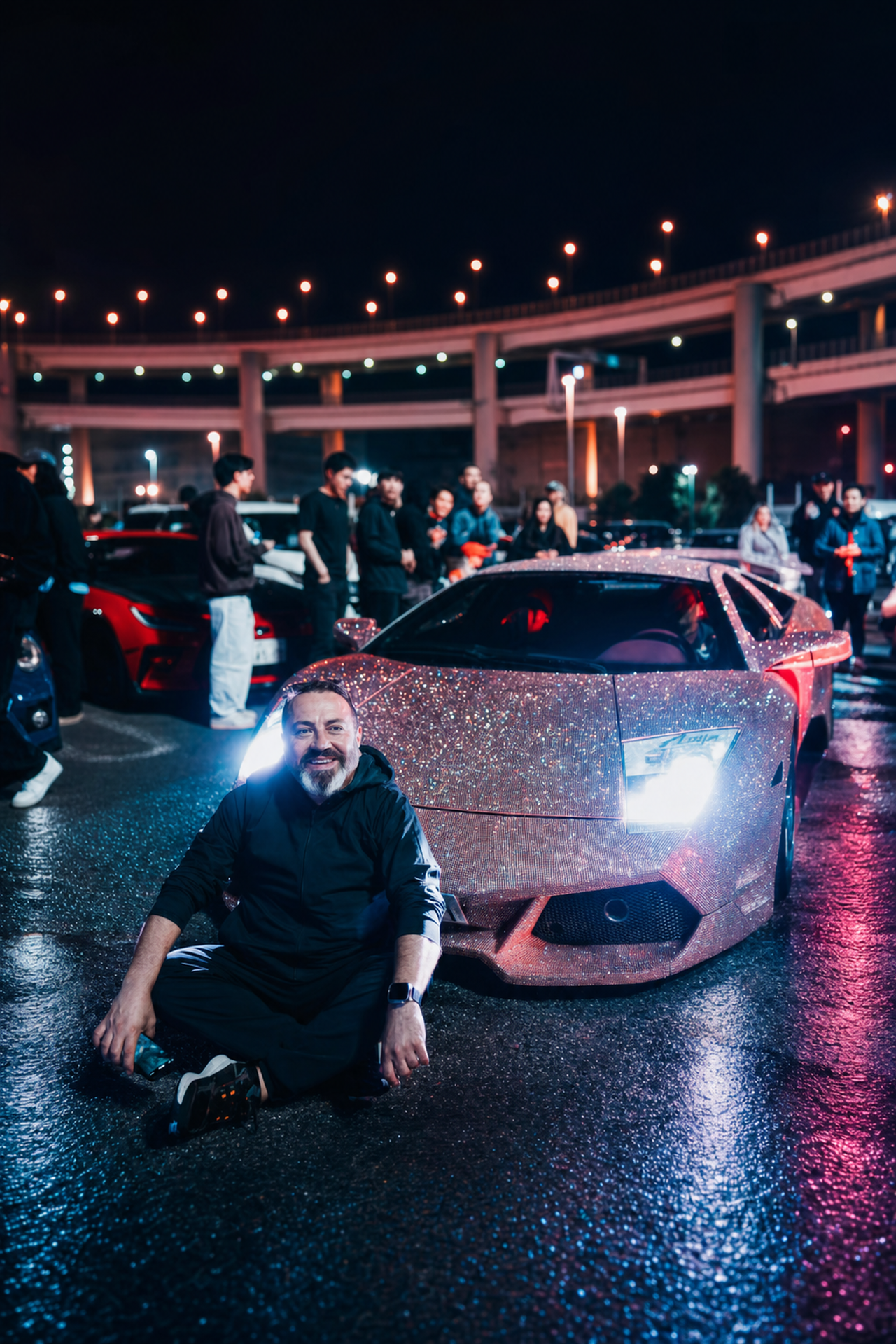
The Lot, After Dark
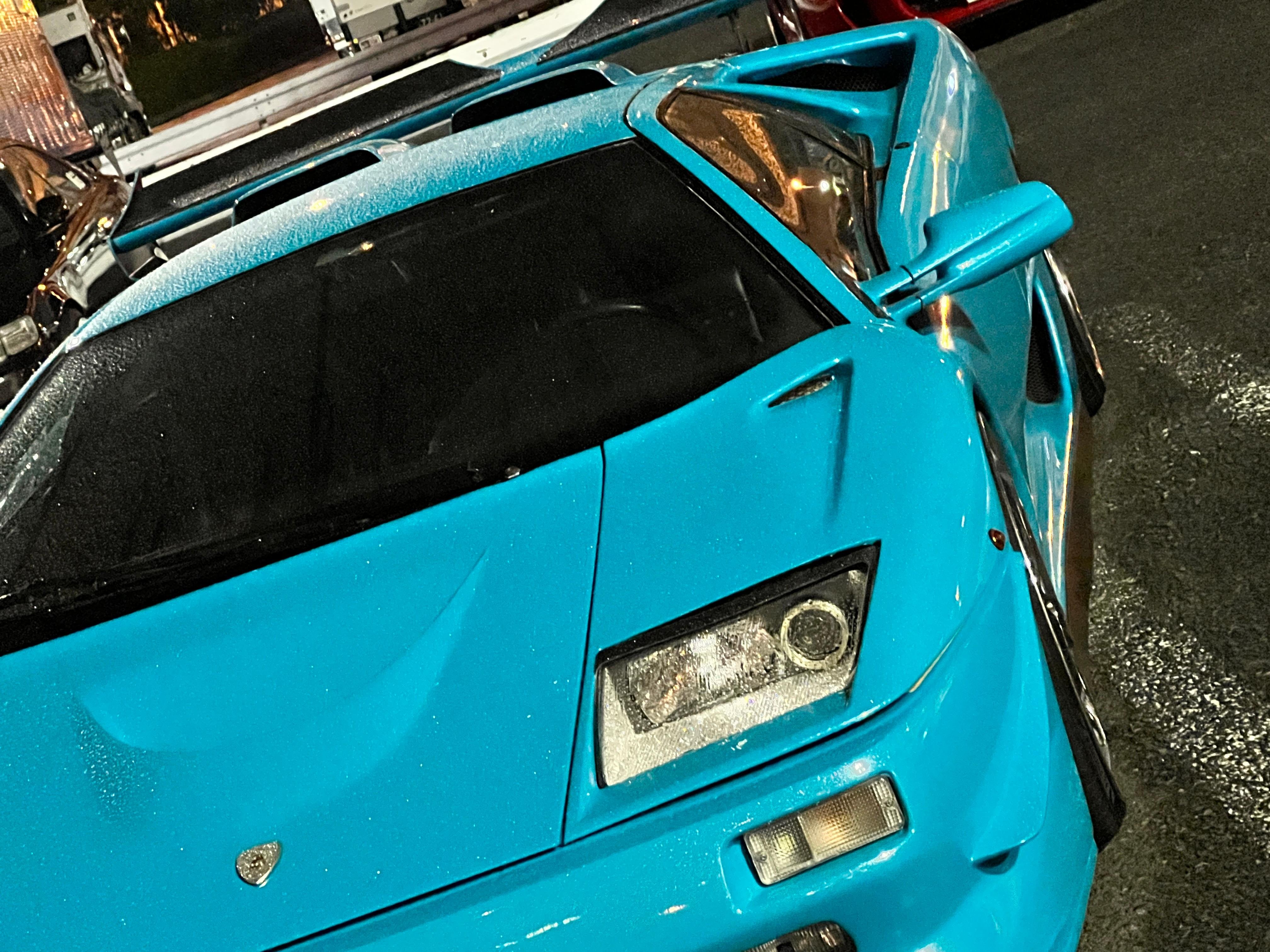
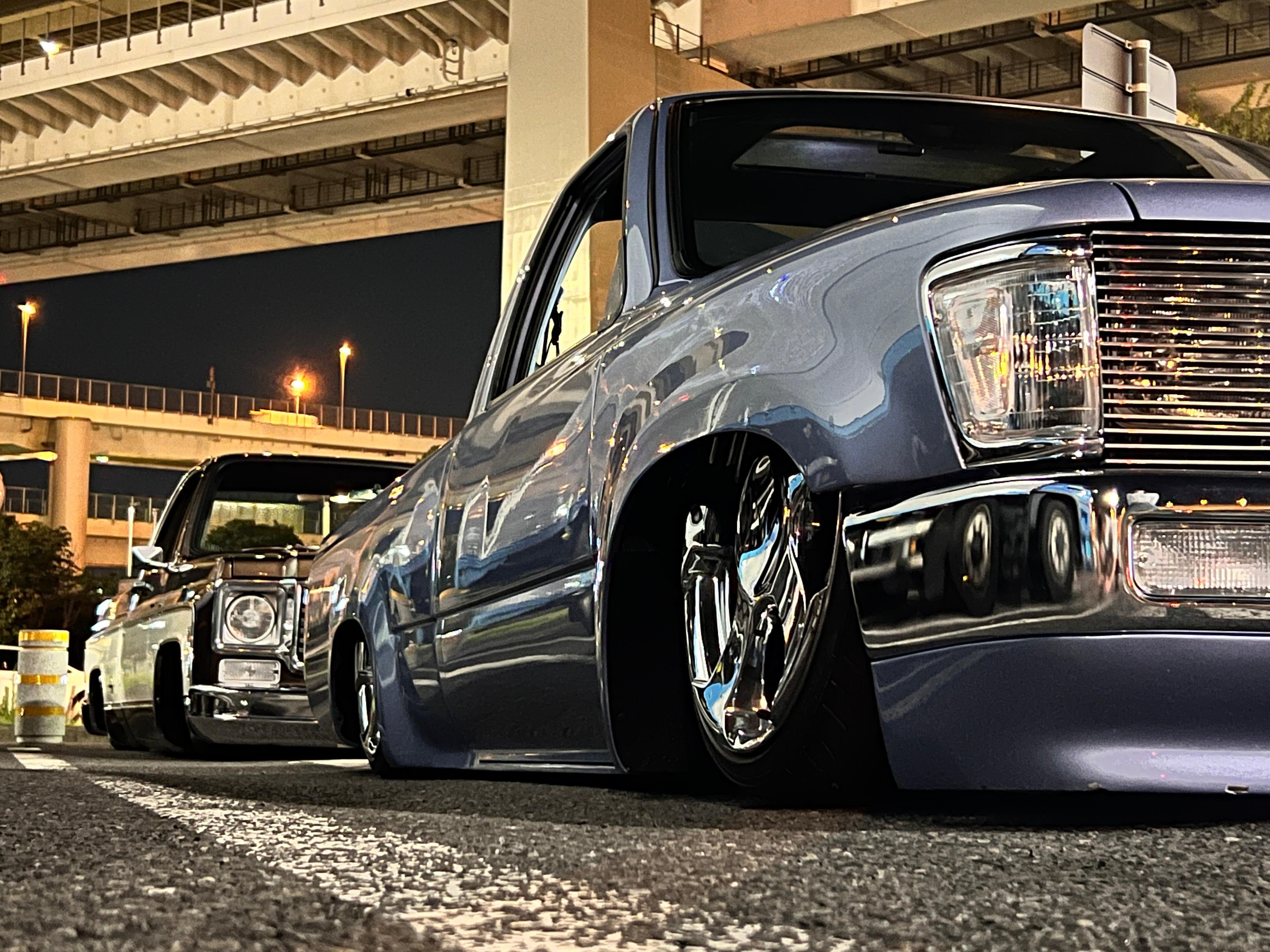
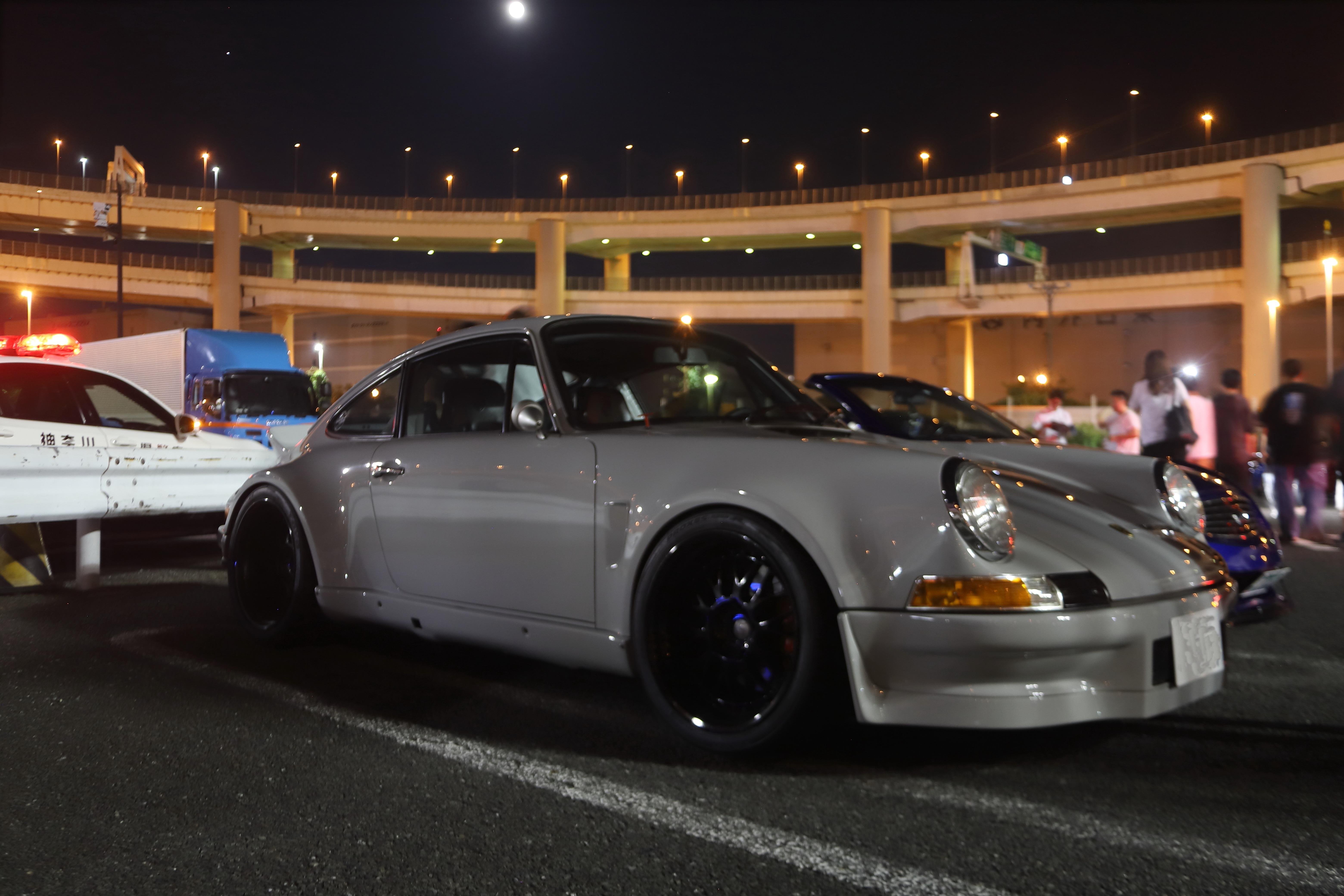
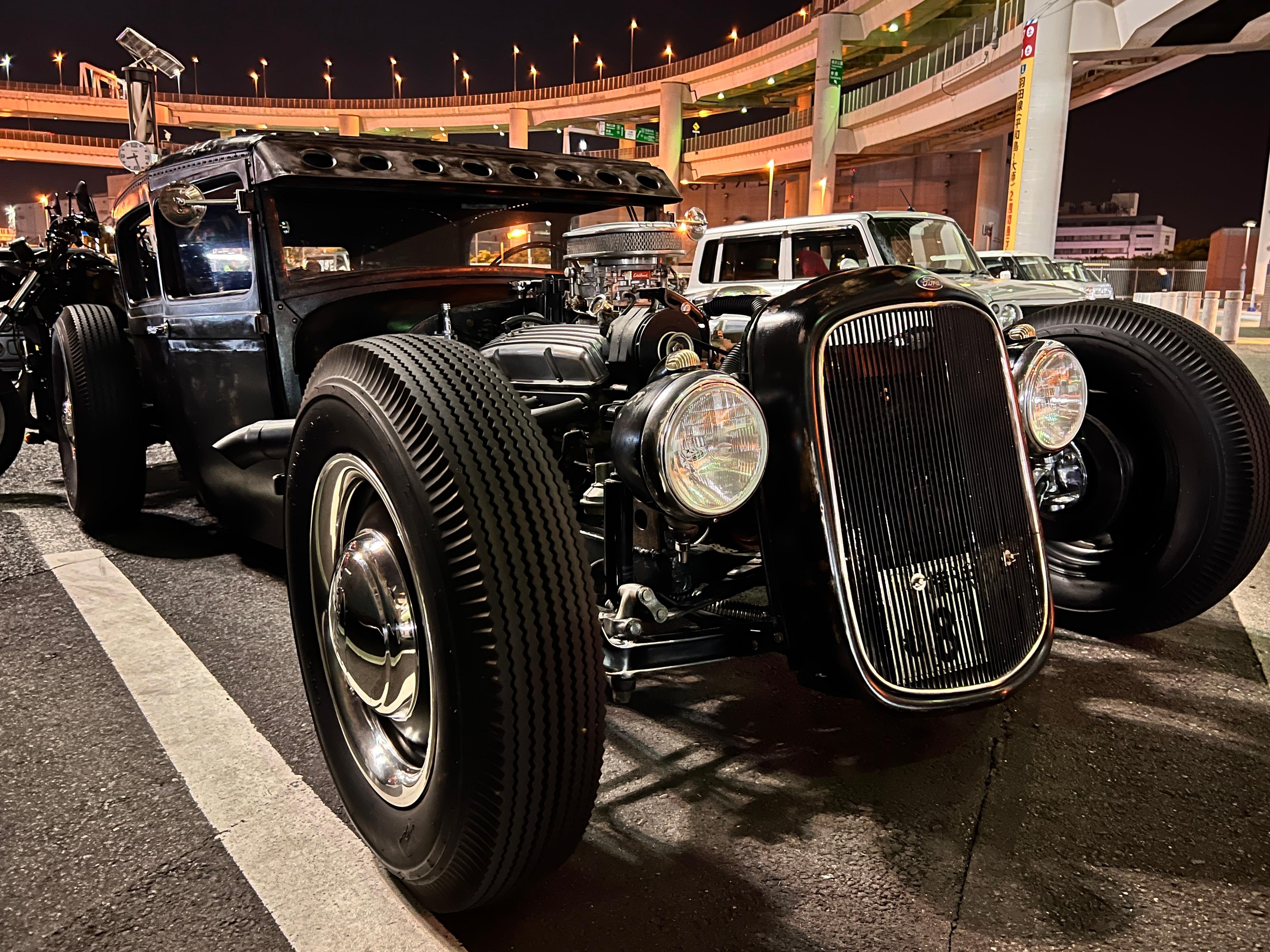
Floodlit tarmac, the circular ramp, the Bayshore run out and the cars that decided to turn up that night.
Book Your Experience
Check Availability & Prices
Select your preferred date and time. Instant confirmation — free cancellation up to 24 hours before departure.
Three Ways Into a Tokyo Car Meet
One is a shuttle seat and says outright that it is not a ride in a JDM car. One is a guided night with the deepest review base on the platform. One is a private vehicle for up to four. The honest differences are below.
| Feature | MOST REVIEWED Daikoku JDM Car Meet & Night Car Culture Tour | Daikoku PA Shuttle Seat | Private R34 Skyline, Up to 4 |
|---|---|---|---|
| What You Pay | From $107 per person | From $57 per person — the cheapest way into the lot on the platform | From $379 per group of up to 4, so $95 each at full occupancy |
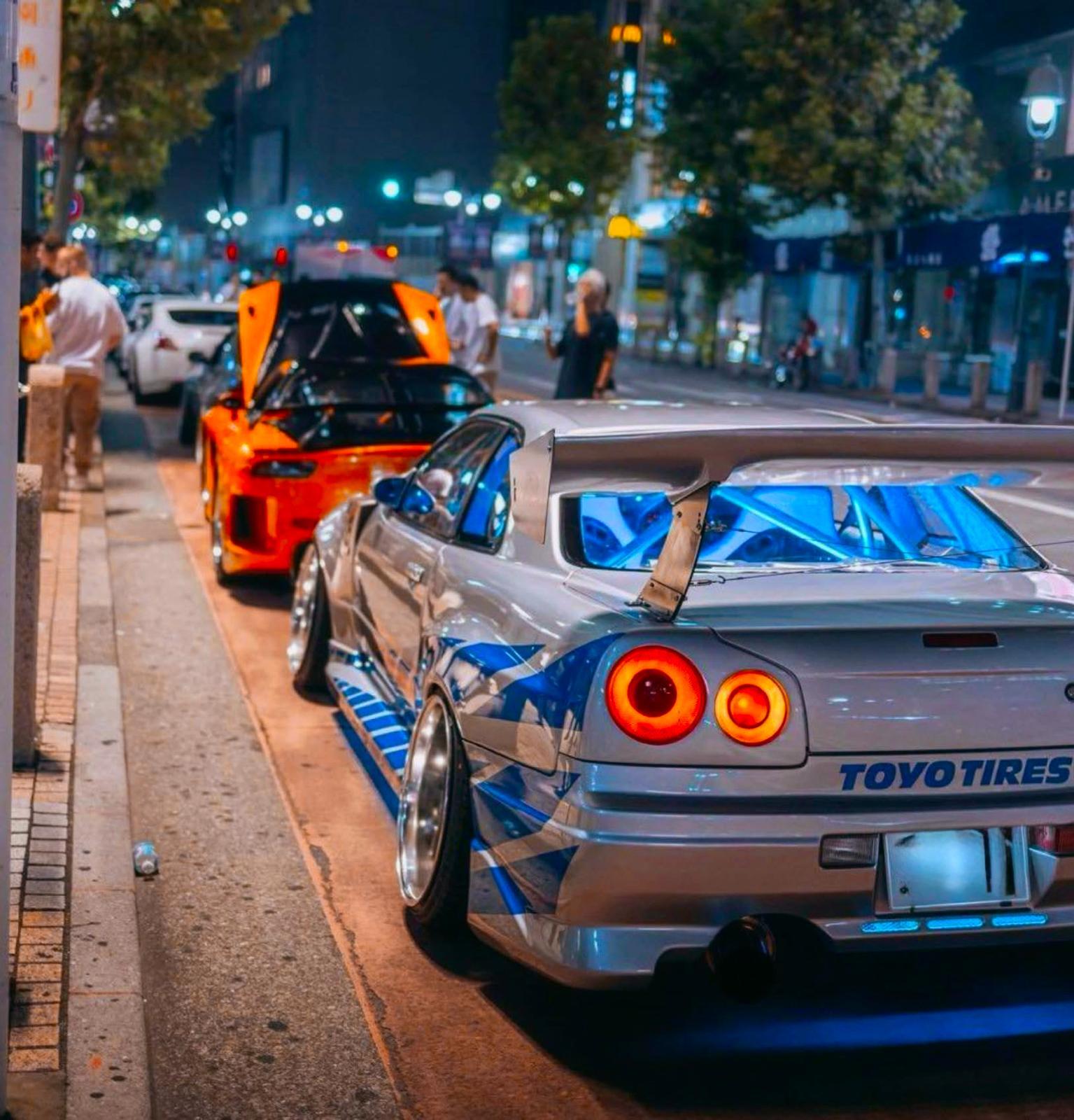
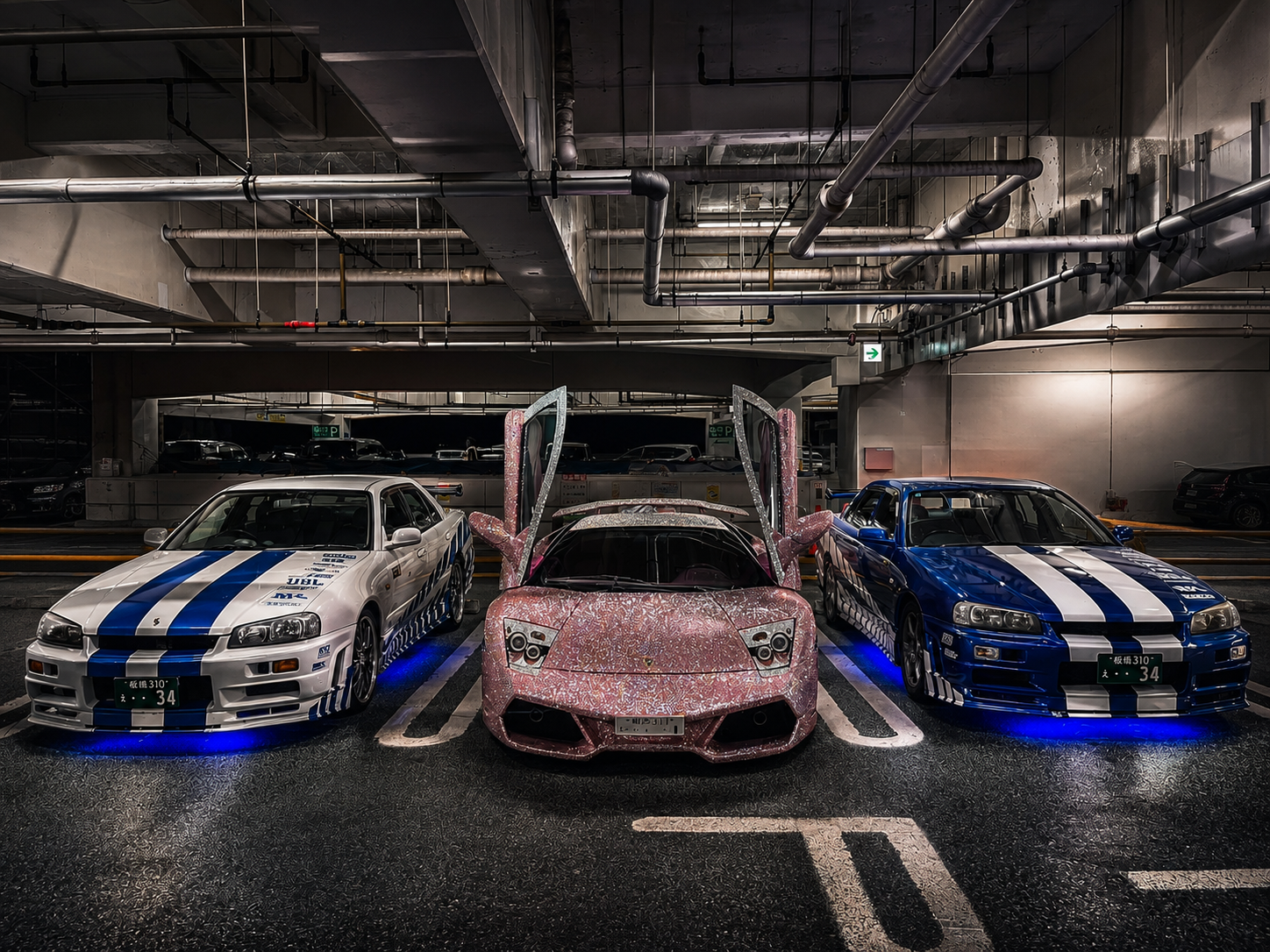
| What You Actually Ride In | The operator's own mixed fleet — JDM, European and luxury, from vans up to performance cars, assigned by group size and availability | A shuttle. Its listing says so in as many words: this is not a ride in a JDM car and not a drift event | A licensed R34 Skyline in Brian O'Conner livery, with a professional chauffeur who also shoots your photos |
| Rating & Review Depth | 4.8 from 696 verified reviews — the deepest base of any explicitly car-meet-titled product here | 4.7 from 461 | 5.0 from 199 |
| If Daikoku Is Shut | The listing warns there is no guarantee of the type or number of cars, and the guide reroutes on local knowledge | The operator states it will provide alternatives, and issues a full refund if the tour is cancelled for closure or severe weather | The listing says an alternative location may be used; closures happen without notice |
| Where It Starts | Shibuya, by the Royal Host on Dogenzaka. No hotel pickup — that is excluded in writing | Meeting point sent after booking by email or WhatsApp; pickup times are earlier on Fri and Sat than midweek | Five pickup points including Shibuya, Shinjuku and Ikebukuro, chosen at booking |
| What Else Is On the Route | APIT Autobacs Shinonome, Tatsumi 1st PA, the Rainbow Bridge, Tokyo Tower and Skytree as pass-bys | A-PIT Super Autobacs for 30 minutes, then an hour at Daikoku, then straight back | Autobacs Shinonome, the Rainbow Bridge, an hour at Daikoku and 15 minutes at Tokyo Tower — route adjusted to requests |
| Who It Suits | Anyone who wants a host who can explain what they are looking at, and does not mind not knowing which car they get | Anyone whose only goal is to stand in the lot for the lowest possible price, and who is happy to be driven there in something ordinary | A group of three or four who want a named car in the photographs, and are splitting one fare rather than paying four |
| Check Availability | See the Shuttle | See the Private Option |
More Options
Other Ways to Do the Tokyo Car Meet
A $57 shuttle seat, a $63 fixed-route ride, a JDM passenger car and a private group vehicle — all with free cancellation, and all of them solving the same problem: getting back out again.
 CHEAPEST WAY IN
Tokyo Drift: Daikoku PA Supreme Car Experience 大黒PA - 2026 (Verified Reviews)
Experience the thrill of Japan's most electrifying car meet at Daikoku with an exclusive shuttle service. Whether you're a die-hard car enthusiast or just looking …
 FIXED ROUTE
Tokyo: Go Daikoku PA Fast & Furious 3 Sports Car Meet - 2026 (Verified Reviews)
Meet your guides at Aomi North Temporary Parking in Odaiba We are a tourism company that has been providing transportation to people who like cars and JDM culture …
 TOKYO STATION START
Tokyo: Legendary JDM CAR Daikoku Underground Meetup Tour - 2026 (Verified Reviews)
Join the ultimate JDM car experience in Tokyo and make memories that will last a lifetime! You will be immersed into Japan’s iconic car culture, including a visit to …
 NO VANS
Tokyo Night Run – EVO WRX SKYLINE Daikoku Experience - 2026 (Verified Reviews)
C1 Club Tokyo Night Experience Discover Tokyo's vibrant automotive culture on an unforgettable evening inspired by Japan's legendary JDM scene. Ride in a genuine …
 PRIVATE, UP TO 4
Tokyo: Private JDM R34 Skyline drive & Daikoku PA car meet - 2026 (Verified Reviews)
Welcome to Tokyo JDM Drive, where professional reliability and ultimate silver-screen automotive dreams come together. We are proud to be the premier registered …
The Independent Guide
A Tokyo Car Meet Is Not an Event, and That Changes What You Book
Nobody organises it, nobody can promise you cars, and the venue closes its own entrance when it fills. Here is what a tour actually buys — and the departure time that decides whether you get in.
Search tokyo car meet tour and every result sells you the same picture: a floodlit lot, a wall of Skylines, a night out of a film. What almost none of them tell you is that the thing being sold is not an event. Nobody organises it. Nobody sells tickets to it. There is no start time, no guest list and no address you can walk to.
Daikoku Parking Area is a working expressway rest stop on the Daikoku Route of the Shuto Expressway, out at Daikoku Pier in Tsurumi-ku, Yokohama — not Tokyo. It has 404 marked spaces, a 24-hour Lawson, toilets and a restaurant. On most nights that is all it is. On Friday and Saturday evenings enough people independently decide to drive there that it becomes the largest informal car gathering in Japan.
Everything that makes a Daikoku booking go well or badly follows from that one fact, and this page is about the consequences rather than the photographs.
What “no organiser” actually means for your booking
Three things follow, and between them they explain nearly every disappointed review you will read.
Nobody can promise you cars. Turnout is settled on the night by several hundred private owners looking at the weather. The featured tour’s own listing says it plainly rather than hiding it: there is no guarantee as to the type and number of cars you will see, because the stops are impromptu gatherings and there is no way of knowing what will show up. An operator who guarantees “hundreds of cars” is guaranteeing something they do not control.
Nobody can promise you access. The site is a public facility whose operator and the police can — and regularly do — close the entrance ramp when the lot fills.
Nobody is running crowd control for tourists. No barriers, no marshals, no visitor centre. The etiquette is enforced socially, and by the police when the social layer fails.
So what does $107 buy? Not admission — Daikoku is free. It buys a driver with a car, the expressway tolls paid, local knowledge of where the crowd has moved to if the main lot is shut, and the thing visitors most consistently underestimate: a guaranteed ride home from a place you cannot walk out of.
The lot gets closed — routinely, early, and it is priced into the timetables
This is the section other pages skip, and it is the one that decides your night.
Because Daikoku PA is a live rest area rather than a venue, the entrance can be shut when it fills. You do not have to take our word for how often: two competing operators price the same risk into their own published booking conditions. One warns that Daikoku PA is often closed after 7:00 p.m. on Fridays and Saturdays because of heavy traffic and large gatherings. Another schedules its Friday and Saturday departures for 17:00 with a 20:00 return, explaining that traffic police may close the parking from 19:00.
The clearest evidence is in the pickup times of the $57 shuttle on this page:
| Night | Its published pickup time | What that tells you |
|---|---|---|
| Monday – Thursday | 19:30 | Quiet lot, no closure pressure, late start is fine |
| Friday | 17:00 | Two and a half hours earlier — closure risk begins ~19:00 |
| Saturday | 16:30 | Three hours earlier: the busiest night, so the earliest departure |
| Sunday | 08:00 or 17:30 | The daytime meet is a separate, calmer crowd |
Operators do not depart three hours earlier for atmosphere. Read the departure time rather than the marketing copy — a tour that reaches Daikoku before the closure window is structurally more likely to get you into the lot than one leaving at 20:00. And ask what happens if the ramp is shut: the good answer is a named alternative such as Umihotaru or Tatsumi, not silence. One operator on this page goes further and offers a full refund if the parking area is closed by the authorities and you would rather not visit a substitute. That clause is rare and it is worth money.
Why enforcement tightened, and why it is partly about visitors
The police presence you may run into is not random. The Drive reported in November 2023 on a wave of activity at Daikoku — vehicle blockades and compliance checks — triggered in part by tourists climbing the highway fences to get in on foot, then finding themselves stranded because no taxi or bus serves the site, and by crowds blocking the EV chargers while taking photographs. National television coverage intensified it. The article’s framing, quoting the YouTuber Sam Lucas, was that the venue risks being “loved to death”.
Kanagawa police also run routine vehicle checks there; in one operation on 14 November 2020, twenty cars were pulled up purely for illegal ride height.
The practical read for a visitor in 2026 is simple. The fastest way to be part of the problem is to arrive on foot. That is also the reason the ride-along product exists at all.
The etiquette — five conventions and one actual law
Most of what follows is social convention. One item is statute, and it is the one tourists break most often, usually by asking someone else to break it on camera.
- Do not ask anyone to rev. Article 71, item (v)-3 of Japan’s Road Traffic Act obliges a driver not to suddenly move off, suddenly accelerate, or increase engine speed without transferring power to the wheels in a way that makes a noise causing an extreme nuisance to others, without legitimate reason. That last clause is a statutory description of revving in neutral. One self-drive operator spells it out to its own guests in writing.
- Never arrive on foot, and never climb the fence. There is no station, no bus and no footpath. Fence-climbing is the specific behaviour the 2023 reporting tied to the enforcement wave, and it strands you — there is no legal way to walk out either.
- Ask before you film a person or a car’s interior. Photographing the lot is normal and expected. Putting a lens through an open window is not. Shashin totte mo ii desu ka? is the entire vocabulary required, and it turns a wary owner into a talkative one more often than not.
- Do not touch, lean or sit. A meaningful share of the cars present carry paint and bodywork that cost five figures.
- Park like a guest and leave the chargers alone. Long-haul drivers actually need the truck bays, and blocked EV chargers were named in the 2023 reporting as one of the complaints that drew official attention.
- If the police arrive, leave quietly. The meet exists because it is tolerated. Every visitor who treats a clearance as content makes the next one earlier.
What each price tier actually buys
The 27 Daikoku products in our data start between $57 and $505, and the headline number hides two different pricing units. Read it as a ladder rather than a menu.
| Tier | Price | What you ride in | Honest trade-off |
|---|---|---|---|
| Shuttle seat | $57 – $63 | A shuttle or van. The $57 listing states outright that this is not a ride in a JDM car and not a drift event | Cheapest way to stand in the lot. You arrive in something ordinary |
| Guided JDM seat (featured) | $81 – $130 | A passenger seat in a maintained JDM, European or performance car, with a host who can explain what you are looking at | You do not choose the car. Fleet and group size decide it |
| Chassis-guaranteed seat | $121 – $126 | A manual EVO, WRX STI or Skyline — one listing guarantees no vans in writing | Excludes some passengers: one is not suitable for over-60s or anyone prone to motion sickness |
| Private vehicle | $347 – $505 | A named car for your own group, driver-photographer included | Priced per group, not per head — $379 for four is $95 each |
Prices, ratings and review counts are the booking platform’s own, captured in August 2026, and they move.
Compare the three main options
A dead night is still a real night
Worth saying plainly, because the reviews bear it out. Guests who booked for the drive and the guide rate a quiet night highly; guests who booked expecting a spectacle rate the same night poorly.
One recent guest on the featured tour was surprised by how many cars were around “especially for a wet night during the week” — which is the exception, not the rule. Owners of low, expensively painted cars do not drive them in the rain. Wet Fridays are a fraction of dry ones, the June rainy season is the weakest month of the year, and turnout thins through December to February. New Year’s Day is the standing exception and runs regardless.
If your entire reason for going is to photograph one specific chassis, you are betting on a crowd of strangers. If your reason is three hours on the Bayshore at night with someone who knows the scene, the bet is much safer. The night-run departures are built around exactly that reframing.
So what should you actually book?
- You want the lowest possible price and only care about standing in the lot? Take the $57 shuttle. Read its disclaimer first — the operator is honest that it is transport, not a JDM ride — and note that it gives you longer at Daikoku than most, with one guest reporting two hours rather than the usual one. Details on the Daikoku PA page.
- You want someone to explain what you are looking at? The featured tour is the most-reviewed explicitly car-meet-titled product on the platform, and almost every five-star review names the host rather than the cars.
- A specific chassis is the entire point? Do not book a mixed fleet and hope. Pay for a listing that names the car, or take the private option where the car is contractual.
- Travelling as three or four? Re-do the maths. The private R34 at $379 for up to four is $95 a head, cheaper per person than two of the shared products above it.
- Booking a Friday or Saturday? Prefer the earliest departure you can find, and confirm the operator’s plan for a closed ramp before you pay.
- You want to drive rather than ride? That is a different product with a different gate — a 1949 Geneva IDP, an age floor above Japan’s legal minimum, and manual competence checked on the day. Our sister guide tokyojdm.tours covers self-drive and the licence rules in full.
We are not affiliated with Daikoku PA or any car club. This is an independent visitor guide with no affiliation to, endorsement from or connection with Daikoku Parking Area, the Metropolitan Expressway Company, the Japan Automobile Federation, any car club or any of the tour operators named here, and we use no manufacturer marque or club emblem. Tours shown on this page are sold by GetYourGuide, and we earn a commission if you book through our links at no extra cost to you.
How these facts were checked
Written 10 August 2026.
- Daikoku PA’s location, route, capacity and facilities — Daikoku Route of the Shuto Expressway at 15-157 Daikoku Pier, Tsurumi-ku, Yokohama; 404 spaces (341 small, 59 large, 4 accessible); 24-hour Lawson, restaurant, ATM; the first expressway EV charger in Japan installed 10 October 2008; renovated and reopened 1 March 2020 — are from the parking area’s public record. The 14 November 2020 enforcement operation in which twenty cars were stopped for ride height comes from the same source.
- That there is no public transport to the site is stated in that record explicitly, and matches every operator listing we read.
- The closure warnings and the 19:00 figure are operators’ own published booking conditions, quoted from two competing GetYourGuide listings, plus the pickup timetable of a third. There is no published closure schedule — the ~19:00 figure is the operators’ working assumption, not a posted rule, and we have not dressed it up as one.
- Article 71, item (v)-3 of the Road Traffic Act is paraphrased from the official English translation published by the Japanese government’s law-translation service; the same wording is quoted in full on our sister site.
- The 2023 enforcement wave, the fence-climbing, the blocked EV chargers and the “loved to death” quote are from The Drive’s November 2023 report, which credits the YouTuber Sam Lucas.
- The IDP rules — 1949 Geneva Convention permits only, 1968 Vienna permits refused, and the six countries that use a certified Japanese translation instead (Switzerland, Germany, France, Belgium, Monaco, Taiwan) — are from JAF’s own English pages, current to its April 2026 edition. Older guides list seven or eight countries including Slovenia and Italy; that list is out of date. Slovenia was removed, which is why the error keeps propagating.
- Shaken — first inspection three years after registration, then every two years, with 2026 statutory fees around ¥44,000–45,000 for a 1.0–1.5 tonne car — is from Japan’s motor-vehicle inspection rules and current fee schedules.
- Tour prices, ratings, review counts, inclusions, itineraries, pickup times and reviewer quotes come from the booking platform’s own listings, captured in August 2026, and change over time. Where an operator states a limitation about its own product, we have quoted the limitation rather than the marketing line.
- What we still cannot verify: there is no authoritative attendance figure for a typical Daikoku night, so we print no number. Claims that the meet has run “for over thirty years” come from operator copy, not from a primary source, and we have reported them as such.
Guest Reviews
What Car Meet Guests Say
4.8/5
from 696 verified guests
"So glad I decided to go to Daikoku! It’s an absolute must-visit for any petrolhead in Tokyo. I especially recommend going with this guide – he’s a true car enthusiast who really knows his stuff and is a great storyteller. Highly recommend!""
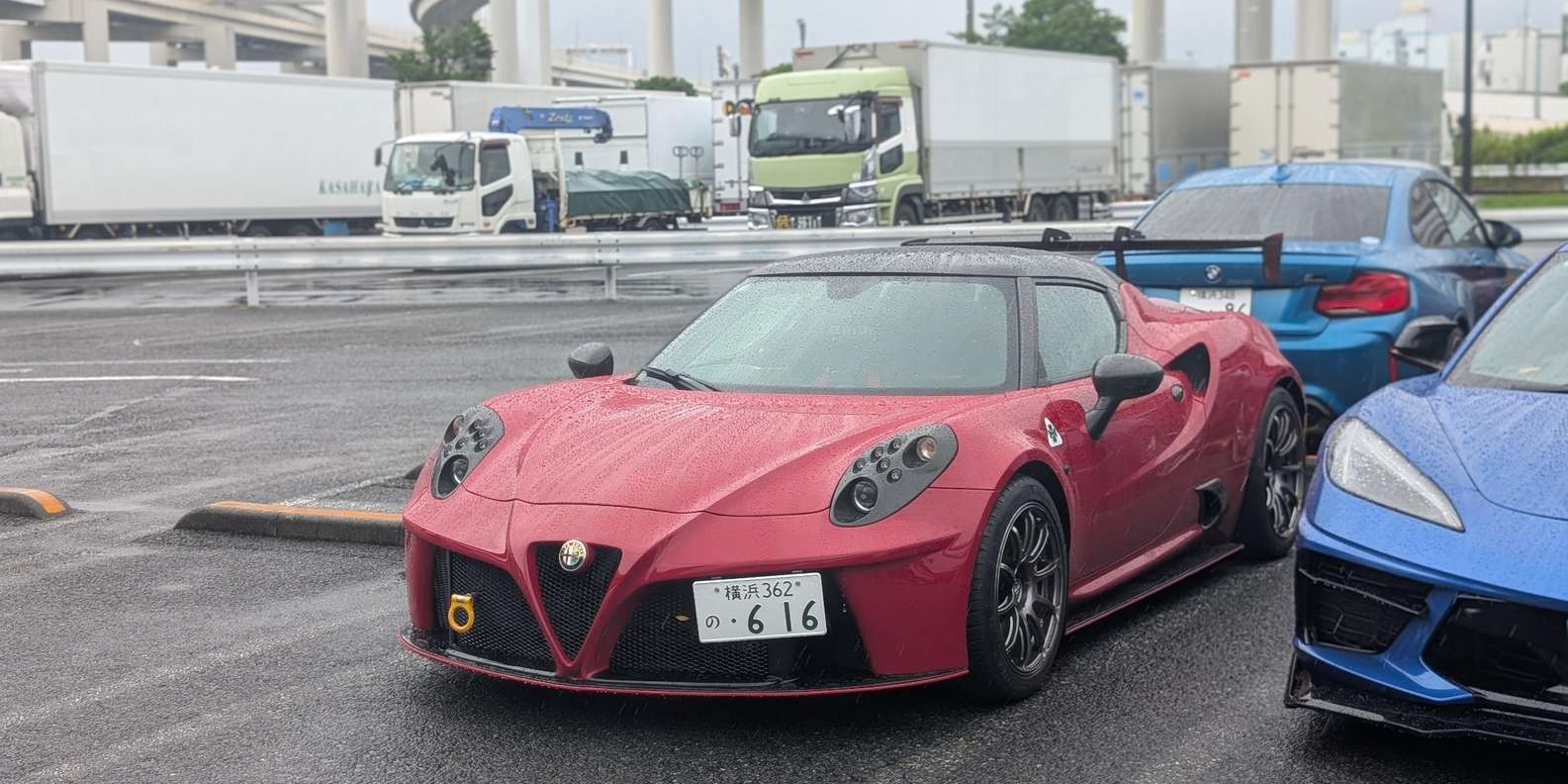
"Michael was incredibly knowledgeable and friendly — the best guide to Japanese car culture. His passion for the community and the craft was unmatched. It was a great experience getting to hear his insights as a car enthusiast. We were pleasantly surprised that he also shared a similar background to my fiancée, which felt like we were fated to cross paths!"
"Karim was such a great guide and really knew all about the cars and the culture behind them. I highly recommend this tour."
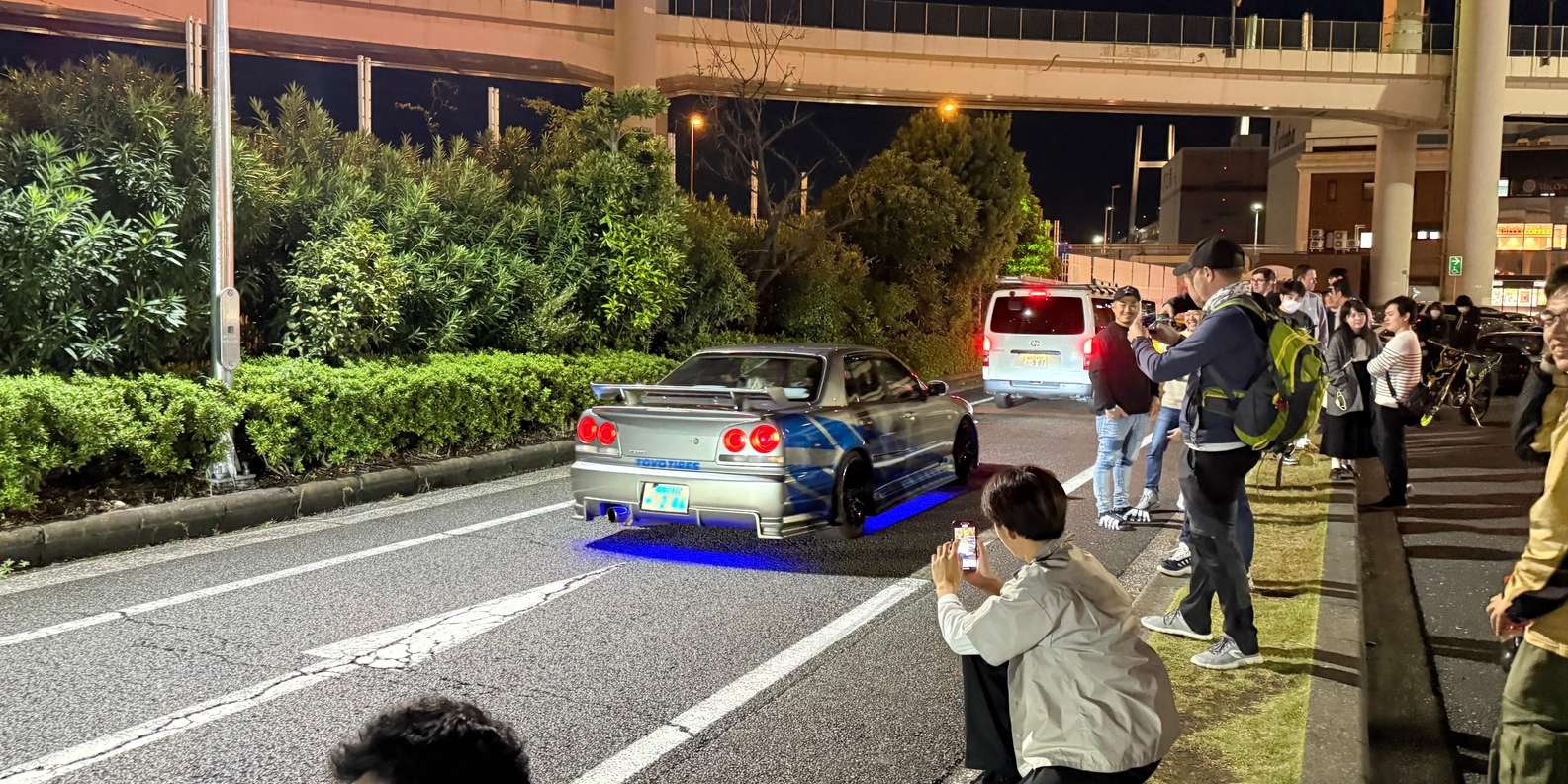
"Tour was excellent , was surprised by how many cars were around especially for a wet night during the week. Guide was very knowledgeable. Was also a good /safe driver."
"The tour was awesome!!!! I got this as a surprise for my husband and I cannot explain the amount of joy he (and I) felt! He was like a little kid on a real life hot wheels track - that kind of happy. Thank you, Karim for the amazing experience! We will be recommending it to anyone we know travelling to Japan!"
"We had a ton of fun. The guide was professional, knowledgeable and informative. We saw a ton of really nice cars and took tons of pictures and videos. I highly recommend this tour if you want to see some more exotic aspects of this city."
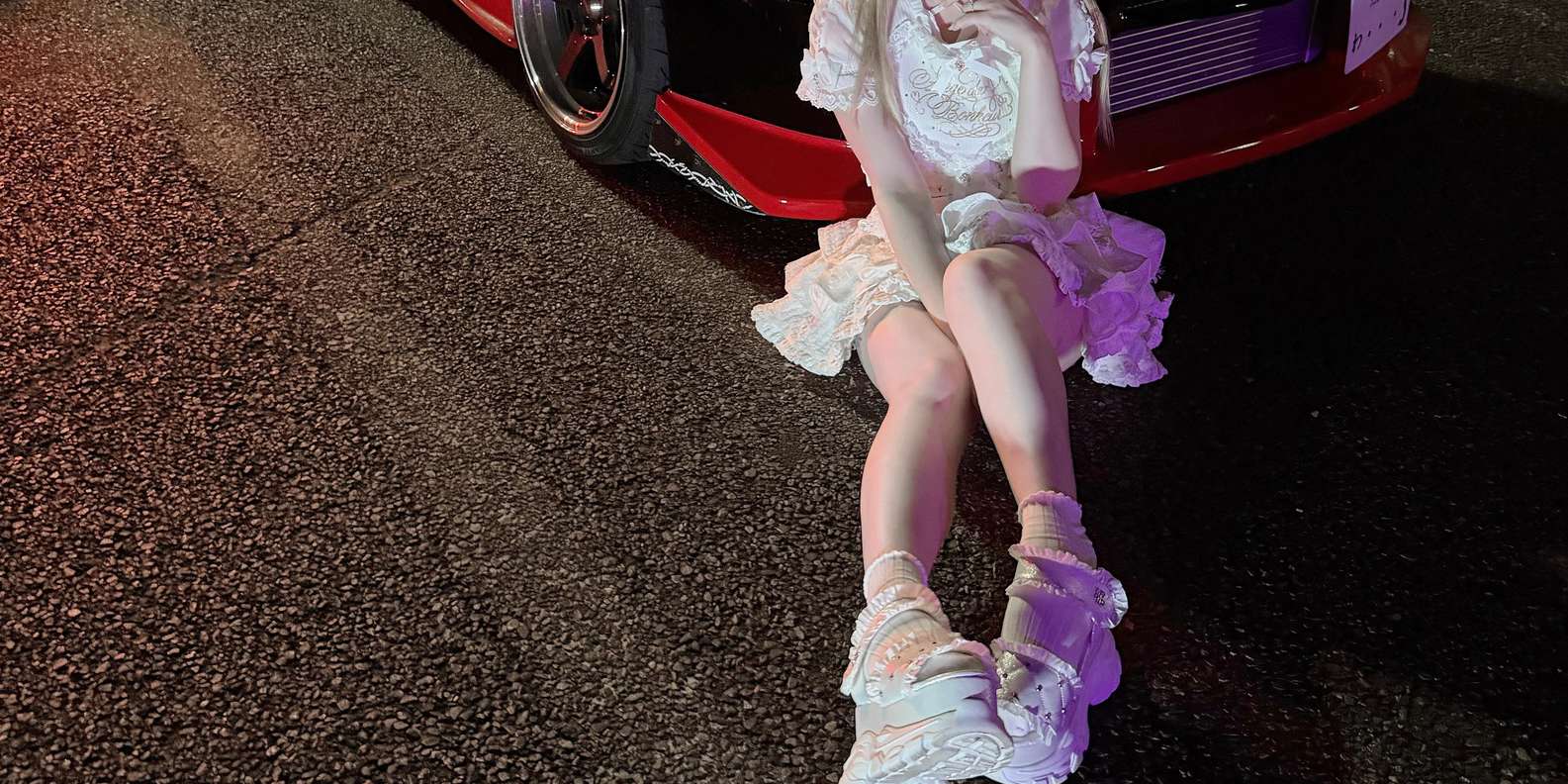
"Michael made our day! We had a fantastic time! A great, fully immersive tour! I highly recommend it. Special thanks for driving us home."
Read all 696 verified reviews
See All ReviewsBook the Ride Into Daikoku, Not the Car Meet
Nobody can sell you a car meet — turnout is decided on the night by several hundred private owners checking the weather. What this books is a driver who knows the scene, the tolls paid, an hour in the lot and a guaranteed ride home from a place with no pedestrian exit. Rated 4.8/5 by 696 verified guests, from $107, free cancellation up to 24 hours before. Starting from $107 per person.
Check Availability & BookCan't Make These Dates?
Browse More Available Options
Find a tour that fits your schedule — all with instant confirmation and free cancellation.
Tokyo Car Meet Questions, Answered Straight
These are the questions Google actually shows for the term, taken verbatim — answered first in one sentence, then explained, with the source named whenever a number appears.
Yes, and nobody will stop you at the door — because there is no door. Daikoku PA is a public expressway rest area, so entry is free, unticketed and open to anyone who arrives in a vehicle. The catch is the last five words. It sits inside the Shuto Expressway system with no station, no bus route and no legal pedestrian entrance, so 'can you go' really means 'can you get a car there and back'. If you are a visitor without a Japanese-valid licence, a booked ride-along seat is the only realistic answer, and the return leg is the part you cannot improvise at 23:00.
Friday and Saturday evenings are the reliable window, with Sunday daytime a separate and calmer crowd. Weeknights get regulars only. You can read the pattern straight off the operators' own timetables rather than taking anyone's word for it: one shuttle publishes pickups at 19:30 Monday to Thursday but moves them forward to 17:00 on Friday and 16:30 on Saturday. Operators do not leave money on the table by departing three hours earlier for fun — they do it because that is when the lot fills and the ramp risks being closed.
Mostly not in Tokyo. The gathering everyone means is Daikoku Parking Area, on the Daikoku Route of the Shuto Expressway at Daikoku Pier in Tsurumi-ku, Yokohama — a different city, about 40 minutes out along the bay. Inside Tokyo proper the regular spots are Tatsumi PA in Koto-ku on the Wangan route, which runs later and smaller, and the car parks of the big aftermarket retailers, chiefly APIT Autobacs Shinonome. Umihotaru PA, out on the Aqua-Line, is the standard fallback when Daikoku is shut.
Daikoku Futo PA — the one from every video, with the circular ramp. It is a working rest area with 404 marked spaces, a 24-hour Lawson, toilets and a restaurant, and on most nights that is all it is. On Friday and Saturday evenings enough people independently decide to drive there that it becomes the largest informal car gathering in the country. There is no organiser, no ticket and no start time, which is exactly why nobody — including any tour operator — can promise you what will be parked in it.
Daikoku PA, and it is not close. The parking area's own facts explain part of the pull: it is the largest parking area on the Shuto Expressway, it sits at a junction where several bay routes converge, and it was the first place on a Japanese expressway to get an EV charger, installed on 10 October 2008. But the real reason is thirty-odd years of habit. The site was renovated and reopened on 1 March 2020, and the crowd came straight back.
Yes — and unusually for Japan, they are informal, unpermitted and tolerated rather than organised. That tolerance is the thing visitors most often fail to understand. There are no barriers, no marshals and no visitor centre; the etiquette is enforced socially, and by the police when the social layer fails. Kanagawa and Tokyo police run periodic enforcement at Daikoku — in one November 2020 operation, twenty cars were pulled up purely for illegal ride height. Behave like a guest and the scene stays open.
There is no single Japanese word for the gathering itself — the words describe the people. Hashiriya means street racer, and covers the drivers whose interest is the act of driving: the Wangan high-speed runs and the mountain-pass touge crowd. Bosozoku, literally 'violent running tribe', is a separate and much older youth subculture of loud, extravagantly modified bikes and cars. Most people at Daikoku on a Saturday are neither — they are owners who built something and want it seen.
Daikoku on a dry Friday or Saturday, with Tatsumi PA as the after-hours alternative and Umihotaru as the weather-independent fallback. 'Best' shifts with what you want. Daikoku has the numbers and the photographs. Tatsumi is quieter, later and closer to central Tokyo. Umihotaru is an artificial island in the middle of Tokyo Bay, and it is where several operators go when the Daikoku ramp is closed. Daytime buyers rather than posers head to Up Garage Machida instead.
Yes, if you hold a licence Japan accepts — and that is a narrower list than most visitors assume. Japan recognises International Driving Permits issued under the 1949 Geneva Convention only; JAF states that permits issued under other treaties, including the 1968 Vienna Convention, are not valid. Six countries use a certified Japanese translation instead of an IDP: Switzerland, Germany, France, Belgium, Monaco and Taiwan. Your permit is valid for one year from the date you enter Japan, not from the date it was issued.
The paperwork is easy; the driving takes a day to adjust to. A US licence plus a 1949 Geneva IDP is accepted, and AAA and AATA issue them. What catches people out is everything else: Japan drives on the left, most interesting cars are right-hand-drive manuals, expressway signage switches between kanji and romaji, and the Shuto Expressway is a narrow elevated ribbon with very short slip roads and 60 km/h limits. Doing that for the first time, at night, in someone else's twenty-five-year-old Skyline, is not the relaxing version of this evening.
It is shaken, the compulsory roadworthiness inspection: a new car's first test falls three years after registration, then every two years for life. It matters here because it is the quiet reason Japan's used-car market looks the way it does. Statutory fees alone run to roughly ¥44,000–45,000 for a typical 1.0–1.5 tonne car in 2026, before any work, and the bill climbs steeply on older vehicles. Shaken also checks for illegal modifications — which is why an extreme build at Daikoku represents real money and real paperwork, not just parts.
No — and unlike the rest of car-meet etiquette, this one has a statute behind it. Article 71, item (v)-3 of Japan's Road Traffic Act obliges a driver not to suddenly move off, suddenly accelerate, or increase engine speed without transferring power to the wheels in a manner that makes a noise causing an extreme nuisance to others, without legitimate reason. That last clause is a statutory description of revving in neutral. A visitor gesturing at an owner for a rev is asking a stranger to take a legal risk for a six-second video.
Across the twenty-seven Daikoku products in our data, starting prices run from $57 per person to $505 per group. The shape of the ladder matters more than the range: around $57–$63 buys a seat in a shuttle to the lot, roughly $80–$130 buys a passenger seat in an actual JDM car with a host, and $347–$505 buys a private vehicle for a group of three or four — which is $95 a head at full occupancy, not the luxury tier it looks like. Daikoku itself charges nothing; every yen is transport, a driver and the way home. Full comparison here.
Still have questions? Email us at info@tokyocarmeettour.com